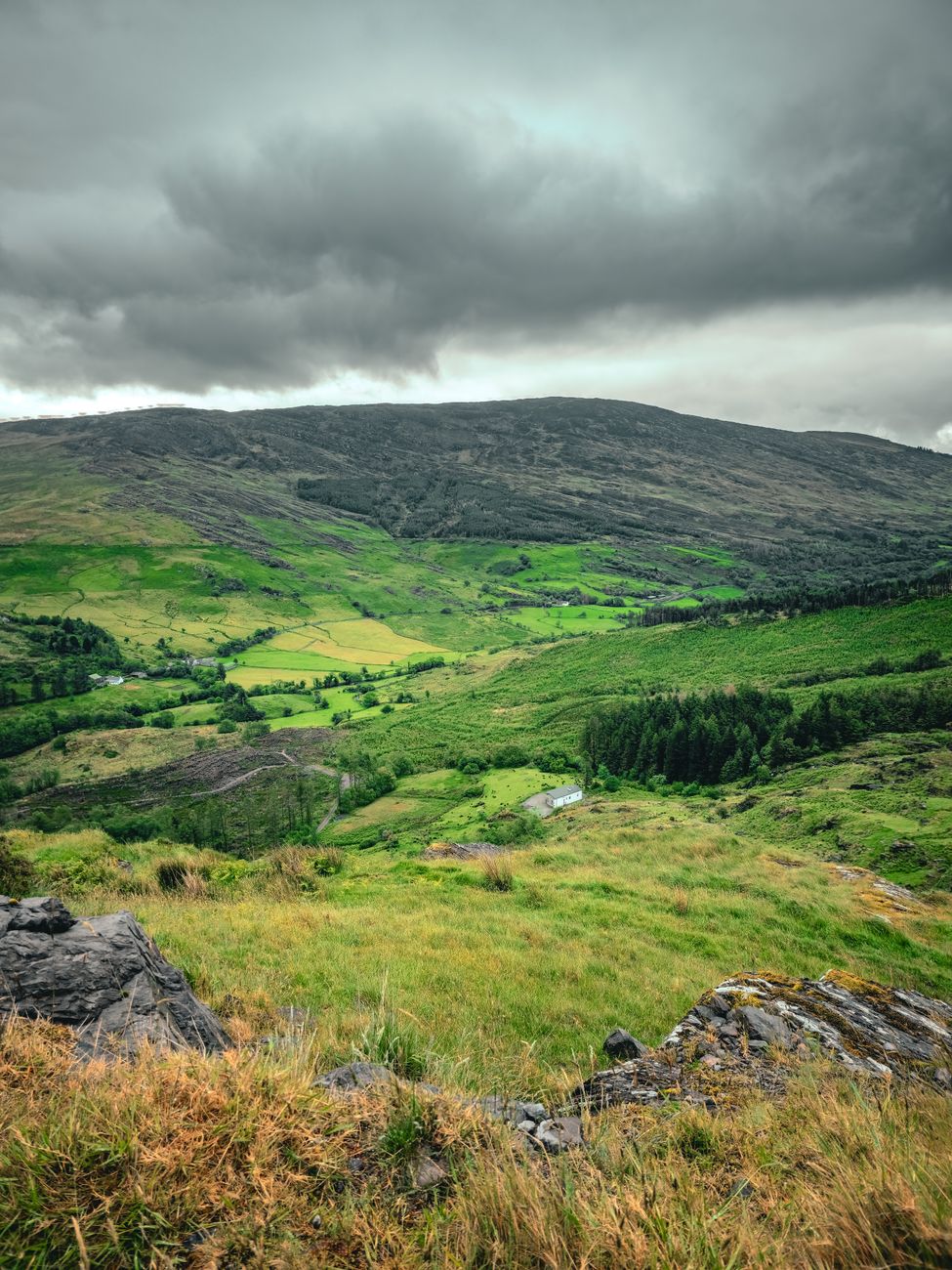
By: Leslie Gunnett, Advisory Board Member
I recently went to a cinema in an old church in Cork called Triskel Arts Center to see a film about a rewilded area here in Cork County. Eoghan Daltun purchased a farm on the Beara Peninsula in West Cork in 2009 with the intention of rewilding the land. The film took us through his story and some of the process of rewilding he went through. There is a debate about how to start, and whether we as humans should be leading the process or letting it happen naturally. The first step he took was to remove the deer from the property and fence it in because they have no predators here and were overgrazing the forest. Next, he had to remove the invasive rhododendron that was everywhere and completely took over everything. Only after intervening on these two fronts allowed other species to start to come back.
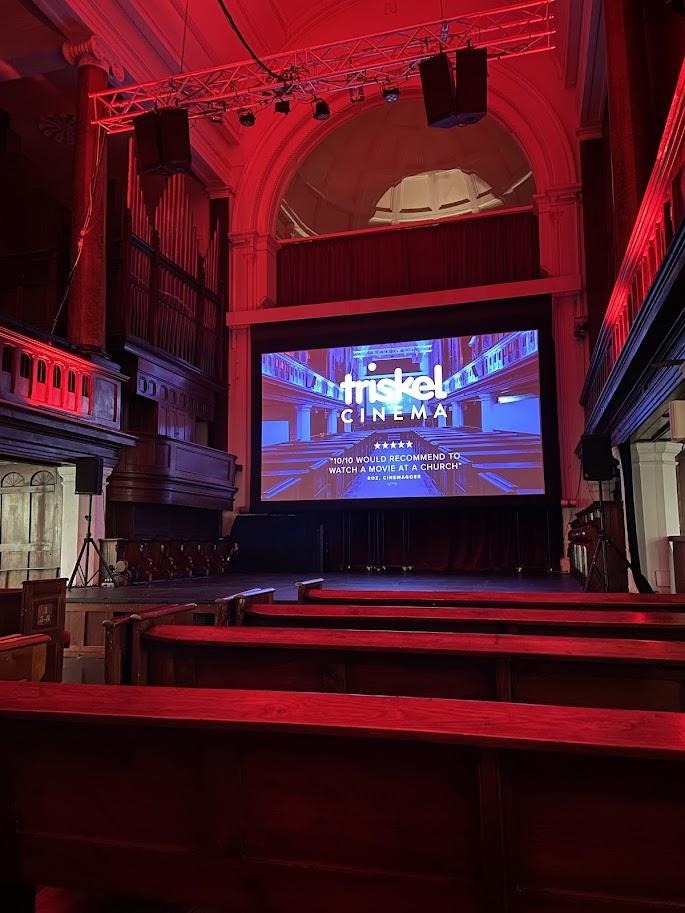
Triskel cinema in Christchurch, which had an original church built in 1185, and this building was built in 1718. It still contains all its history and crypt but has been renovated as an arts center in the center of Cork City.
Over the years, plant life, fungi, insects, bats and even small mammals rebounded. The rest of the film was full of beautiful imagery and trail cam footage of various species that have come back to the forest. Since it rains about 230 days a year in this area, what formed is actually a rainforest. Water flows through it and it sequesters water too, which can help the surrounding area with flooding. The property is a peninsula surrounded by the Atlantic Ocean, so it has coined the nickname “Irish Atlantic Rainforest”.
After watching the film, I purchased Eoghan’s new book called Setting the Land Free, which is his third published book. His other books are more about his rewilding process on the land, while this book highlighted many other successful rewilding stories and laid out many of the challenges this idea faces.
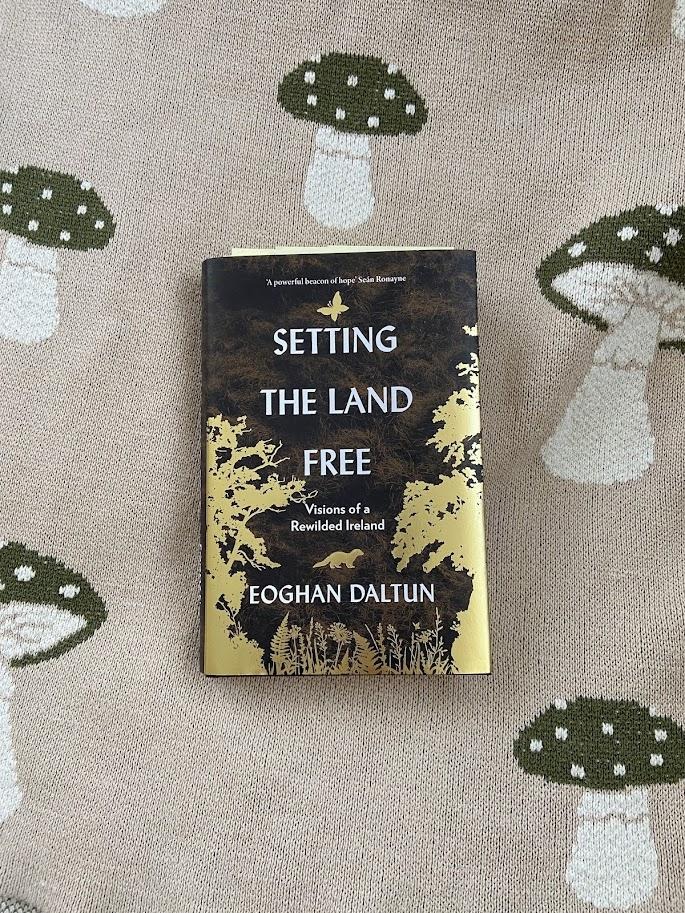
My copy of Eoghan Daltun’s new book on my favorite blanket
One of my favorite passages in the book talks about how nature was here perfecting things before humans arrived on the scene. On the ecological timeline, we only just got here, while nature has had hundreds of millions of years to perfect things. Therefore, allowing nature to take the lead in rewilding areas is an ideal default. However, sometimes human intervention is needed, especially if there are some invasive species that need removal. We can’t fix everything entirely on our own either; we can plant trees, but we can’t plant a forest ecosystem. There were also several chapters debating the reintroduction of apex predator species here, which is super complicated and may never happen, and therefore deer hunting to control the population will most likely continue here in order to preserve our ecosystems.
The biggest hurdle for rewilding in Ireland is the farmers. Most of the land here is privately owned, and farmers are very passionate about their traditions of grazing sheep and livestock. That is great for the meat eaters here, but the Emerald Isle is mostly just grasses for grazing that offer no ecological benefit. There have been a few attempts at legislation to help farmers transition their land to meadows and more forested spots for sheep grazing to introduce some more biodiversity, but the only way they can succeed is if they financially help farmers make those changes. This is the same everywhere in the world. In the book, Eoghan wrote: “The most impactful thing we as a society can do to reverse nature loss in Ireland is to make it possible for willing farmers to earn a decent living from rewilding their land. They are already being paid to erase nature. Why can’t they just be given the very same funds to do the opposite, if they wish?” I found that to be true for the United States as well.
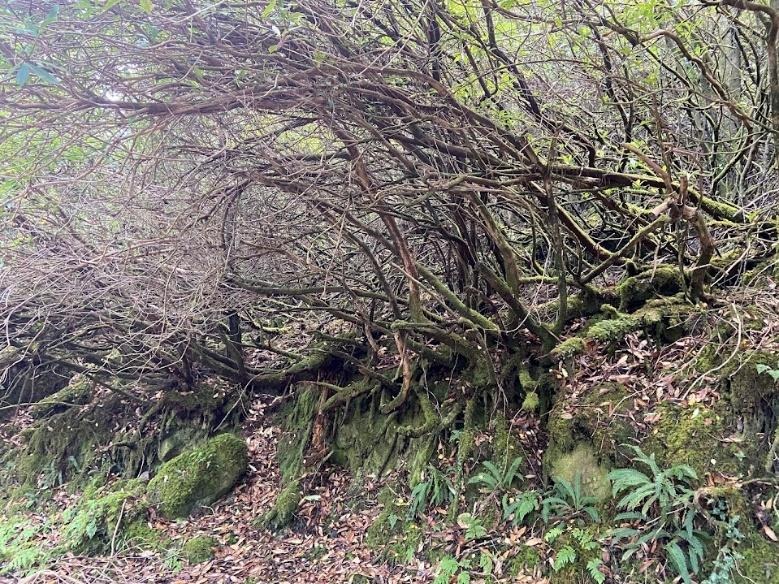
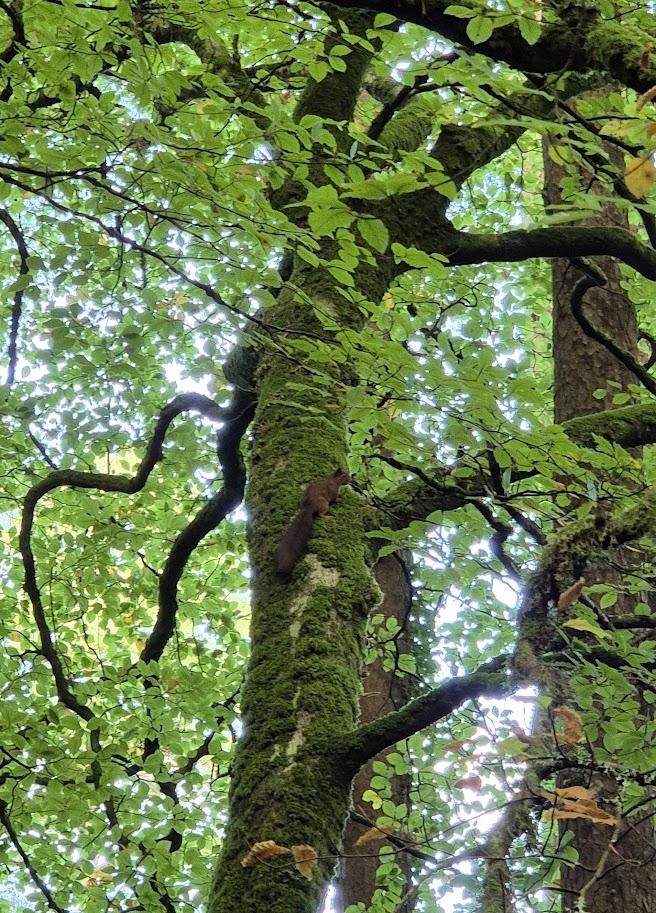
Ireland had a massive drought this past summer and would benefit from rewilding areas in order to help with water absorption and flood resistance. The biodiversity here is at an all-time low, and invasive foreign species are becoming an issue in the forests that do exist here. I went for a hike this past weekend in Killarney National Forest in Kerry and climbed Torc mountain. The whole trail was surrounded by rhododendron, which was all I could see as I walked through this forest with new eyes after this book and film. I saw my first ever red squirrel but was so distracted by the rhododendron choking out other plant life that it dampened the mood a bit.
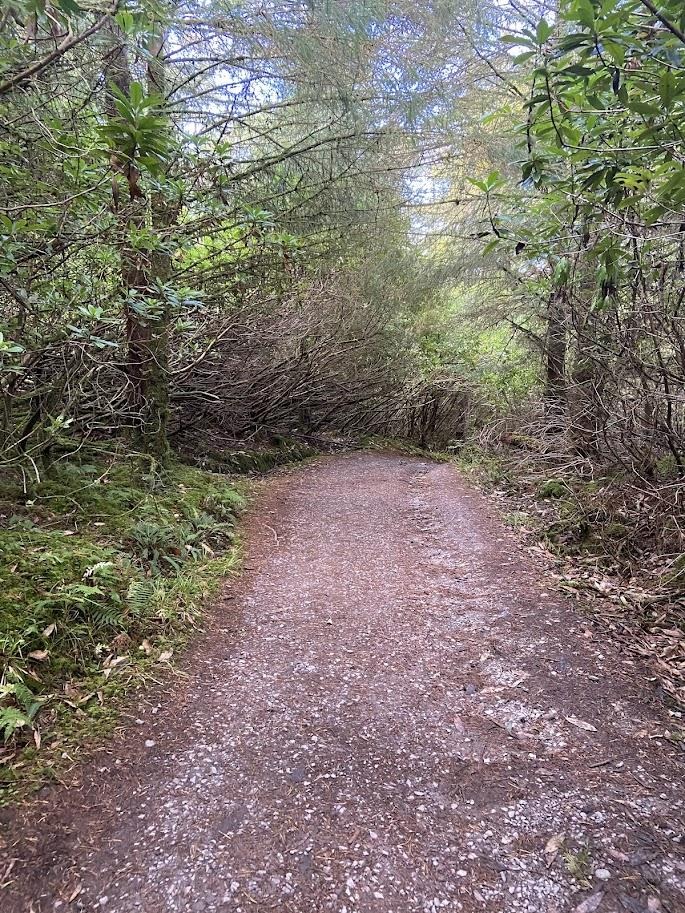
Rhododendron undergrowth on Torc Mountain trail, Killarney National Forest, Co. Kerry, Ireland
I wanted to share my notes from the film and book because since becoming a board member, I have signed myself up for anything I see with the word “rewilding” in the title. I want to learn all about what works and have been enjoying reading about success stories in other parts of the world. Proof-of-concept is important to me, and as an educator I like to have examples to reference when discussing topics like this. If Ireland, which is a biodiversity wasteland, can have success, then why can’t everyone?
Check out this story & more on the Community Blog! Get notified for every new post. Subscribe Today!
We are Bringing the Rewild Revolution to New Jersey. Get notified of every new post. Subscribe Today!
Join the Rewild NJ Community.
Learn More & Connect
Email: rewildnjcc@gmail.com
Follow us on social media @rewildnjcc.
Support
Rewild New Jersey Community Cooperative (RNJCC) is completely volunteer based and self-funded. Contribute to support our projects and development!
Rewild New Jersey Community Cooperative (RNJCC) is currently pending nonprofit organization status. Contributions are not tax deductible.

