By: Francesca Mundrick, Founder & Executive Director
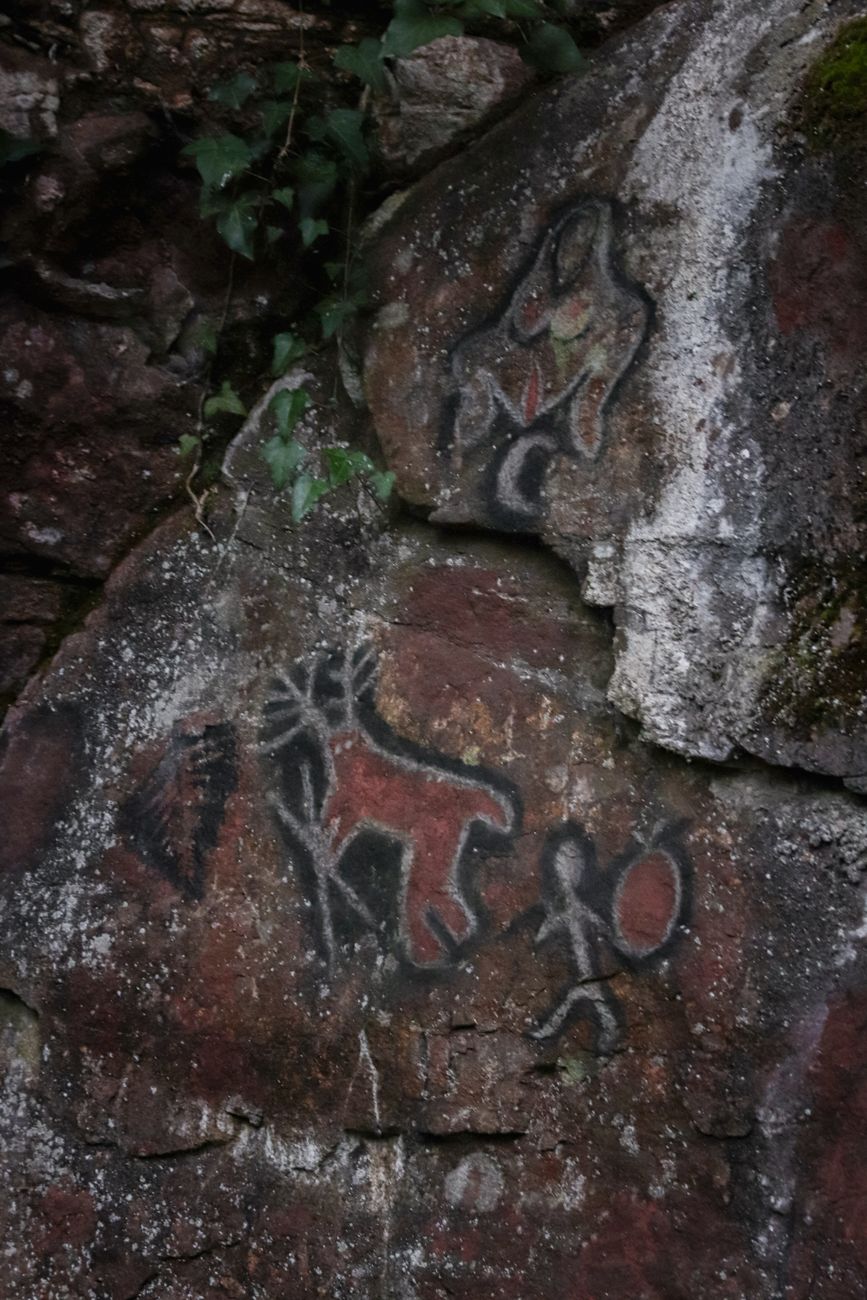
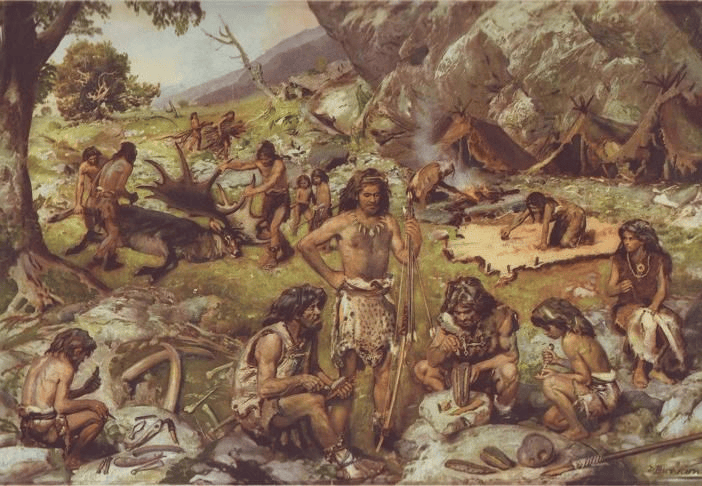
At the dawn of our species, Homo sapien sapiens, humans did not define their use and influence on the local environment as “nature connectedness”.
“Nature Connectedness” as an ideal, as a practice, became advent during the 19th and 20th Century as the Industrial Revolution took hold. People were cognoscente that with greater modernity came lessor relations with the nature world.
The ideas of 19th Century American Philosophers including Marsh, Rousseau, Emerson, Thoreau, Muir, Leopold, Peabody, Fuller, Whitman, Pinot, Roosevelt, and others were born from the rebellion against industrialization.
These thinkers, transcendentalists, preservationists, and conservationists, challenged the dominant view of nature as a commodity and resource for human exploitation. They argued that industrialization was an immoral ecological harm and lacked generational ideas regarding sustainability.
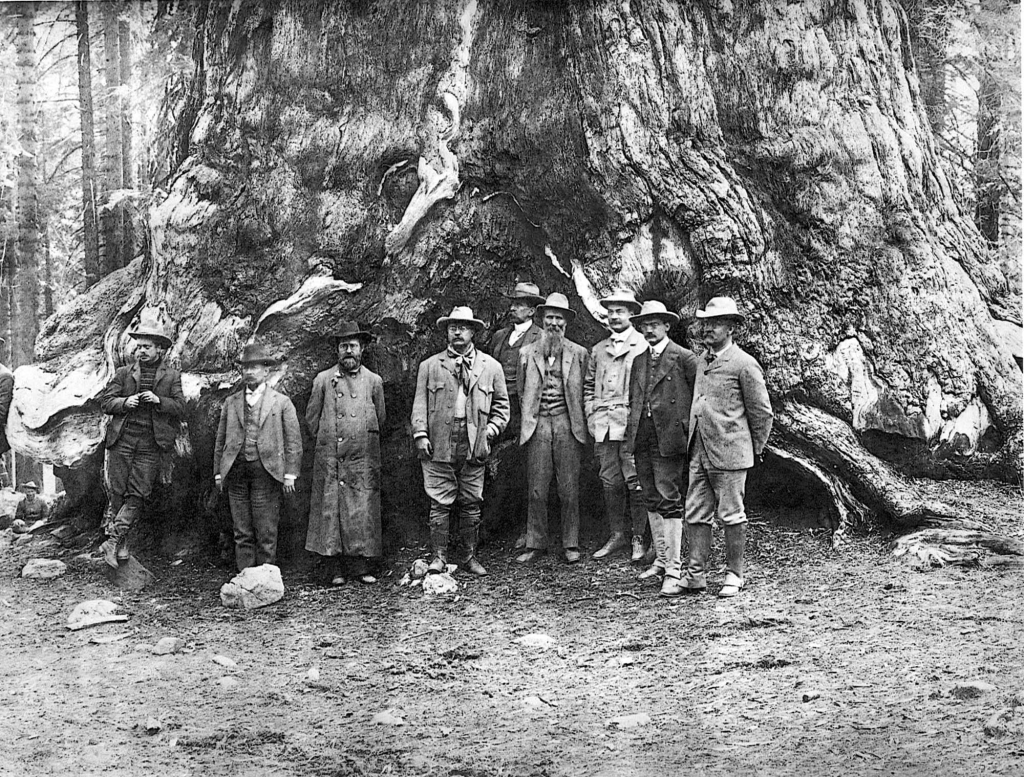
Drawing learnings from purposeful time in the wilderness, indigenous peoples and their cultures, ancient human history, and each other, these philosophers developed the foundational understanding that modern advancements were not only transforming landscapes, depleting resources, and polluting air and water but, perhaps, even more so, changing human beings at the core.
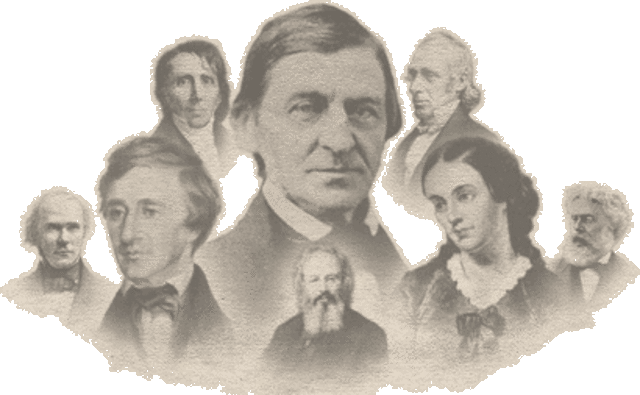
By the early 1900s, American Environmental Philosophy or early “environmentalism” was formed, and at its base, the idea of “nature connectedness”.
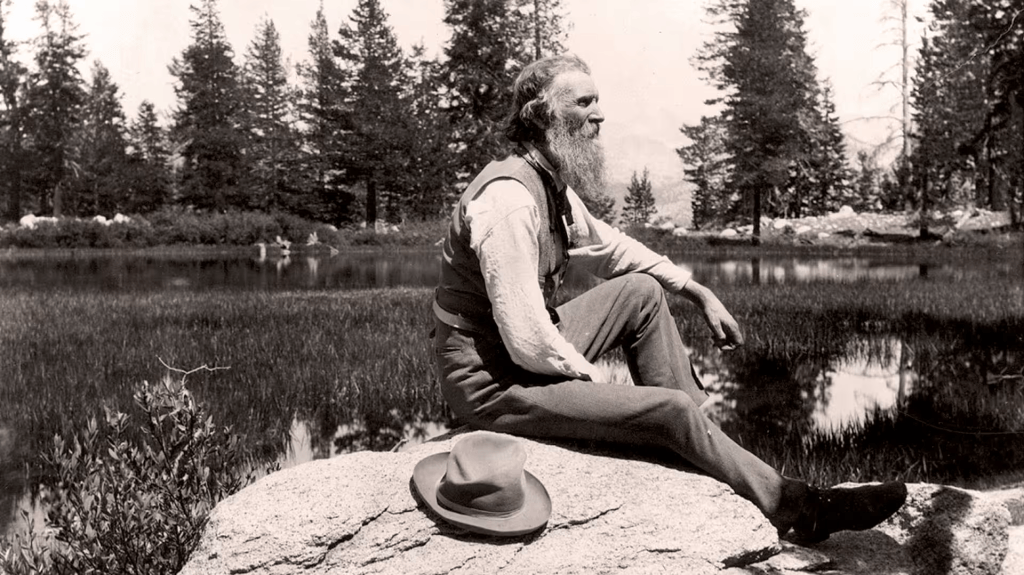
What may be most important to glean from the environmental history and philosophy of that time period is the recognition that wealth, comfort, and convenience was slowly eroding intimate day to day relationships that people had with local nature. Since the earliest days of man, people spent their days with purposeful tasks that went directly into their survival. The advent of the Industrial Revolution not only literally took nature and its resources away, reducing it, it was also replacing a human-environmental culture with the advancement of technologies and changing economies.
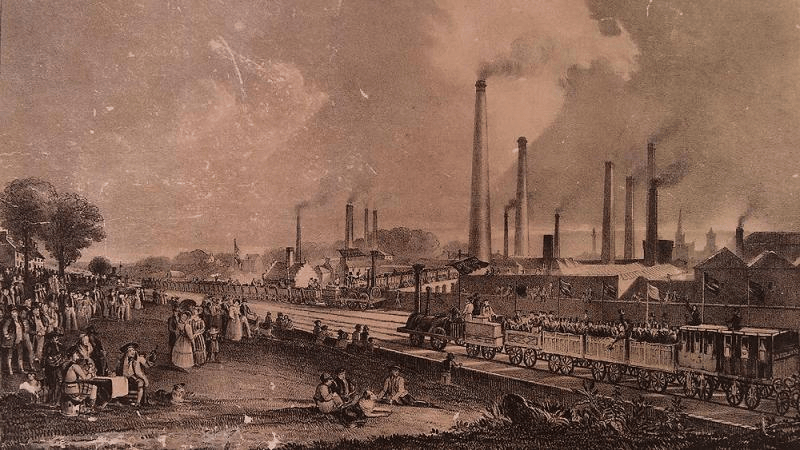
Sound familiar? Yeah, because it is familiar. We are currently facing the next major societal shift due to progress and technological advancement. With the advent of increasingly complex technologies, heighted globalization, and changing economies, we are all asking the same questions and fearing the same fates as our early American environmental philosophers. Times haven’t changed- we are facing the same environmental issues as people in 1850. We want nature back. We demand it. What’s more, we want what it provides back- spiritual and physically- in our life ways.
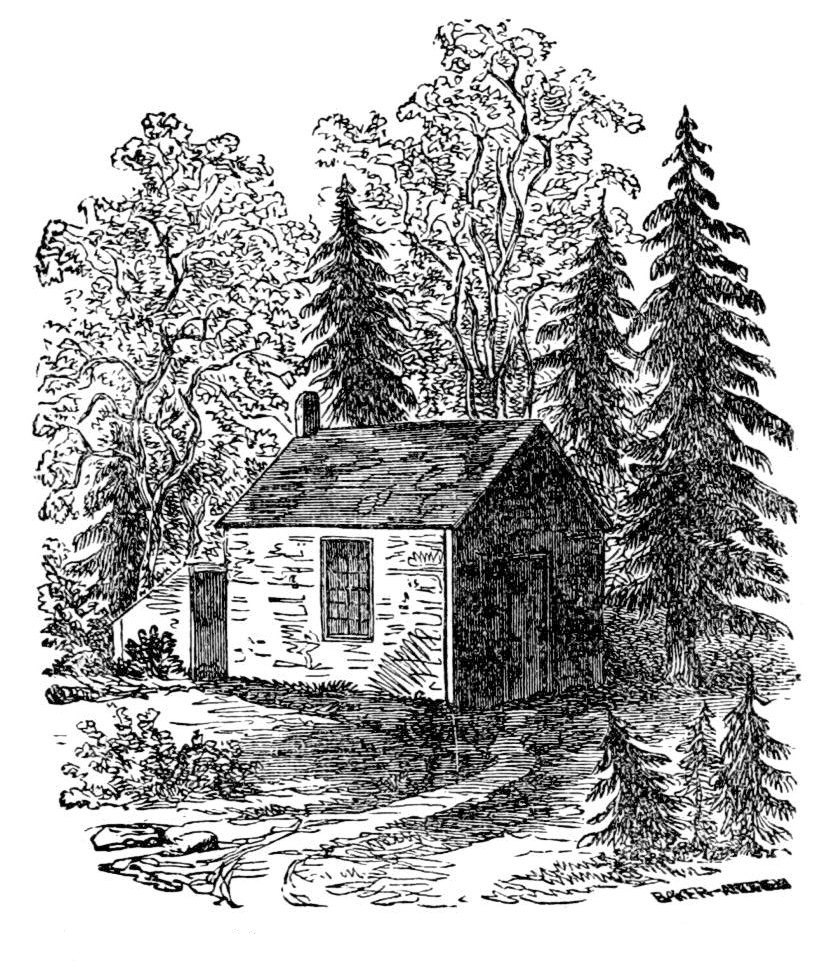
In the 21st Century, “Nature Connectedness” became a cultural space for hosting community activities that made space for nature in our globalized, tech filled lives. These activities usually include events like clean-ups and hikes, business ideas like forest bathing and yoga retreats, and hobbies like bird watching and nature walks. Nature Connectedness in the modern context is a response, a response that was born from American environmental philosophy. Like the thinkers of our past, we are trying to escape the negative impacts of the industrialized world. As we move forward, we must not reinvent nature connectedness further, we must go back to practicing what it actually means.
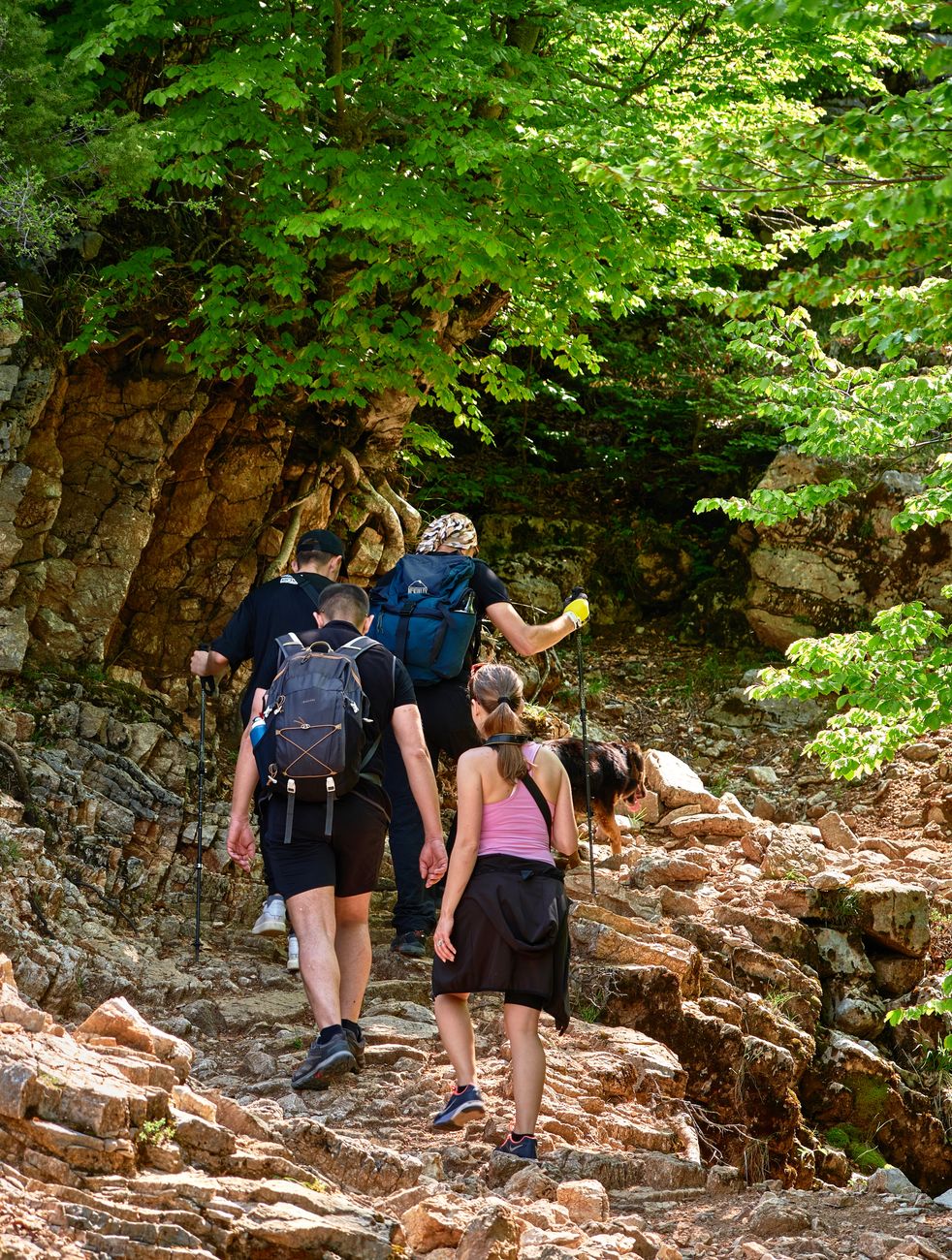
Rewilding in Conservation, Human, and Community scopes, helps us to achieve true nature connectedness. All of the existent modern methods in which we intently try to find nature connectedness are wonderful, these activities do in fact make time in our lives for nature, however, true nature connectedness is better achieved when we revive lifeways, skills, and actions that require deep knowledge and actionable use of our local environment. We must know our local nature and how to utilize its resources for our own survivance with balance and reciprocity.
Going on a hike is wonderful, it provides for challenge and physical and mental benefit, but finding wood, building a bow drill, and making a fire along that hike is deeper form of connection. Identifying mushrooms to forage or making a bowl and spoon from wood. Going back to a forest or a field over and over and over to sit watching as the seasons change it, noticing every detail, observing all the local beings, and sharing your ideas and emotions in that space like a fond friend. Practicing forms of ceremony. Primitive hunting and fishing. This is the truth of nature connectedness.
We end up back at the gates of the industrial world over and over and each time our human souls wonder, wish, and hope to be rejoined with what we know to be true- the natural world.
To learn more about Fran, visit About the Founder.
Check out this story & more on the Founder’s Blog! Get notified for every new post. Subscribe Today!
We are Bringing the Rewild Revolution to New Jersey. Get notified of every new post. Subscribe Today!
Join the Rewild NJ Community.
Learn More & Connect
Email: rewildnjcc@gmail.com
Follow us on social media @rewildnjcc.
Support
Rewild New Jersey Community Cooperative (RNJCC) is completely volunteer based and self-funded. Contribute to support our projects and development!
Rewild New Jersey Community Cooperative (RNJCC) is currently pending nonprofit organization status. Contributions are not tax deductible.

