By: Vincent Palmieri, Advisory Board Member
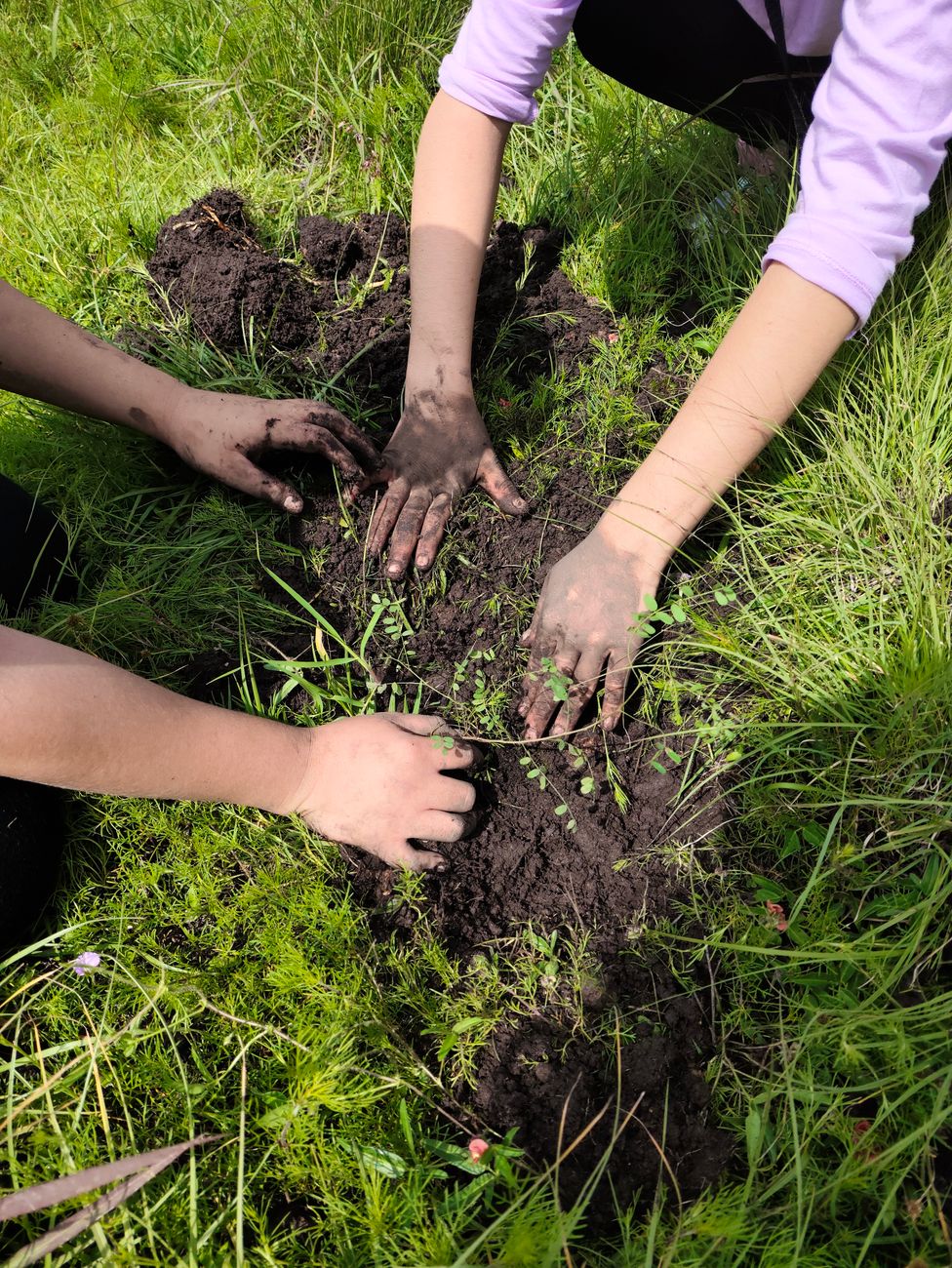
How do we make something that seems like a chore, to be something do-able? Convenience is key for most Americans – and a way of life for many of us. In a recent discussion at our Rewild Gathering, I’ve been prompted by Dr. John Hasse’s thoughts and dialogue on how community gardening could be supplemental to our everyday life.
Attendees at this year’s gathering voiced how many of our world leaders’ recent decisions regarding foreign affairs and the rise of ai technology have left people with little hope for the future. With a “doomsday” mentality, there is undoubtedly a large population of people that feel mutually emotions towards the current state of our nation and world. This is leading many to not see the value in learning fundamental skills (gardening, foraging, survival skills) that once was essential for human life. Something as simple as community gardening may seem useless to some who regularly shop at local grocery stores. But with the recent and heightened awareness toward “elitism” common folks have begun to see what value may exist in overall independence.
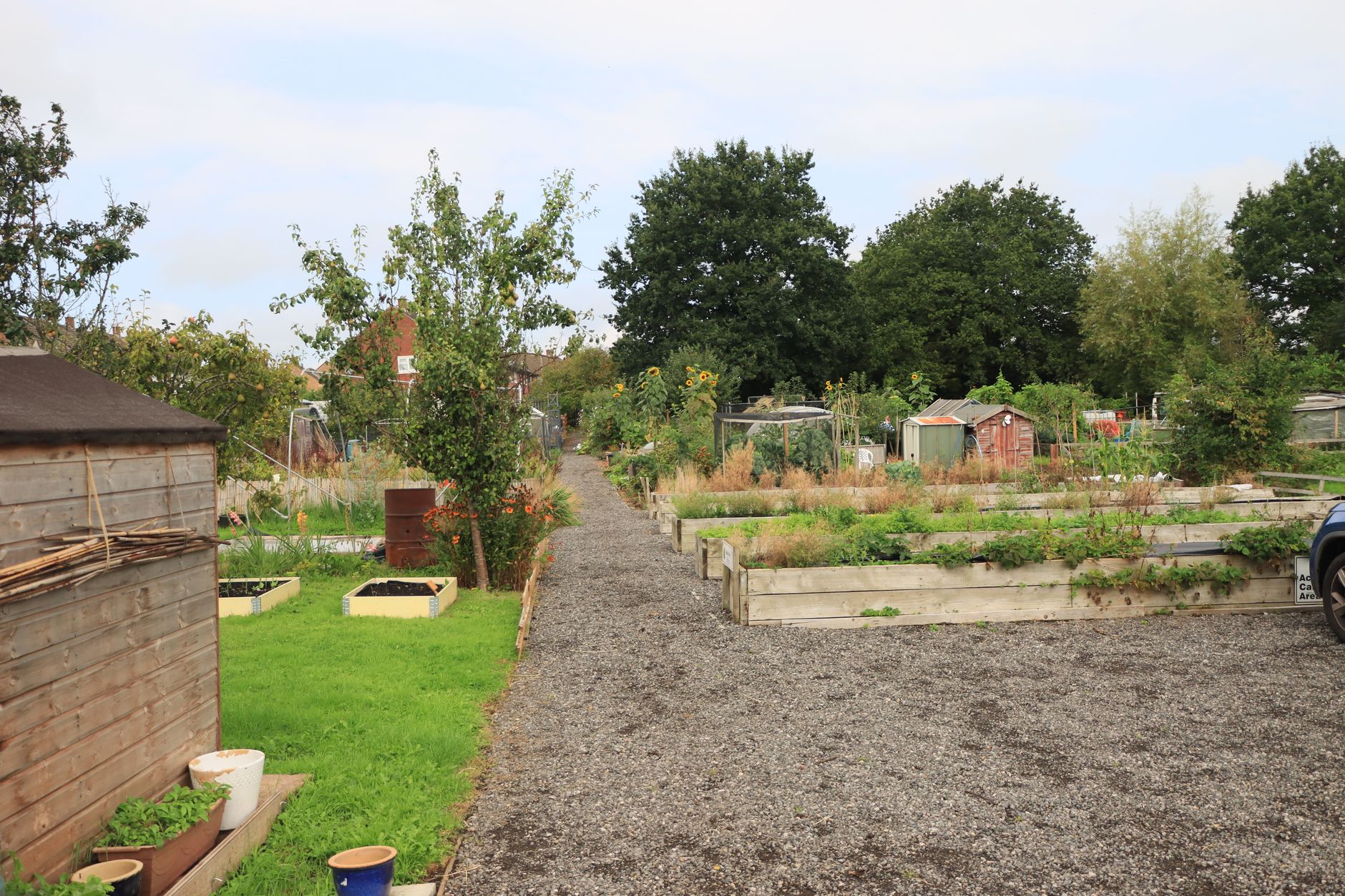
Dr. John Hasse introduced the idea of viewing possible “doomsday” scenarios as a realization that we should not be so reliant on grocery stores, and how everyone can do their part to contribute. This got me thinking, how can we really hold each other accountable? Is it far fetched to hold people accountable in this convenience driven nation we live in?
Many community gardens serve a limited number of residents in local municipalities, but can we scale this even further. I put some thoughts into this, and I just keep finding myself rotating back to the fundamentals many European ancestors lived by. Living as a village and sharing goods as a localism community. Reintroducing the way things used to be, but in a modern world, is that even possible? Perhaps, what we can do is individual agriculture and using monoculture in suburban areas. The drawback to monoculture is the common knowledge to master gardeners: increased pests, degrading soil health and less overall crop yield. While this concept goes against the gardening 101 and verified scientific findings, is monoculture more practical for the average suburban resident?
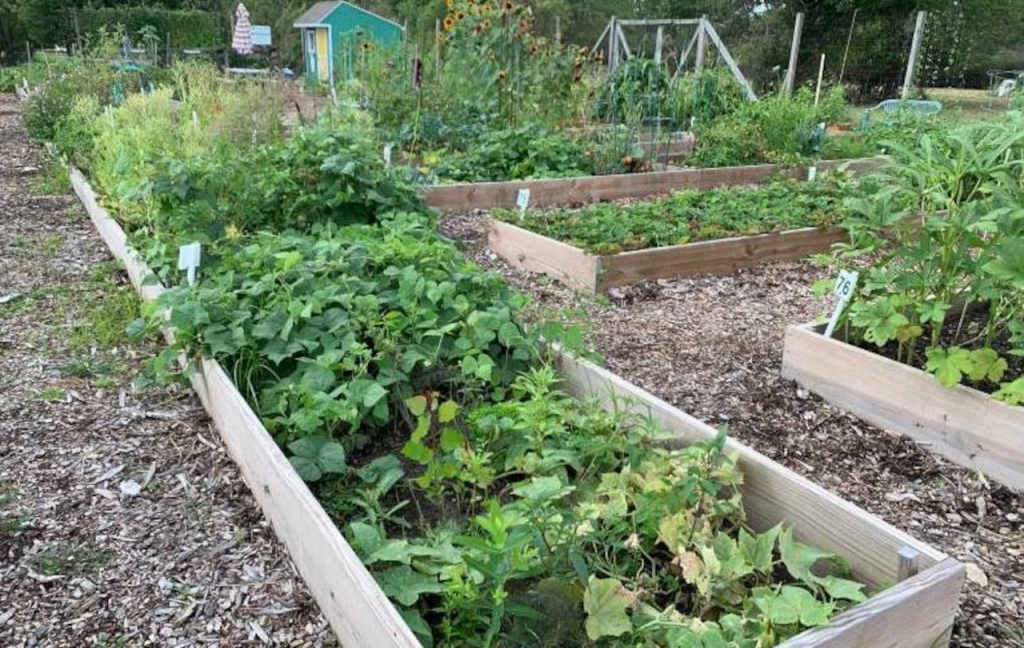
In Orange County, California, researchers studied six community gardens in Southern Orange County specifically because they were in a post-suburban environment rather than a traditional urban neighborhood. They found that these gardens can provide opportunities for nature access, community interaction, and alternatives to a purely consumer-oriented suburban lifestyle. Like most community gardens, they recommended polyculture, but what I found interesting is the involvement of 20 diverse, multi-crop community gardens and urban farms administered by cities, non-profits, and educational groups https://ucanr.edu/site/uc-master-gardeners-orange-county/community-gardens. Again, in this instance, there is a collective effort from not only induvial but organizations within the community. This isn’t something that can be accomplished by jus individuals, it takes a village (literally).
Perhaps the answer is not to expect every suburban resident to become a master gardener, but to make gardening accessible enough that anyone can participate. Imagine neighborhoods where residents could dedicate a small portion of their yards to growing the same vegetables, herbs, or fruits. One household could grow tomatoes, another peppers, and another leafy greens. By sharing resources, knowledge, and excess produce, residents could create a local food network without completely abandoning the convenience of modern life. This could also provide opportunities for children to learn where their food comes from and why soil, water, and biodiversity matter.
From a planning perspective, this is where community gardens become more than just a place to grow food. They become a tool for building stronger neighborhoods, improving food access, and encouraging residents to interact with one another.
Municipalities could support these efforts through vacant land programs, partnerships with schools, and incentives for residents who want to participate. Even small changes, such as allowing code changes to permitted front-yard gardens or creating shared growing spaces, could help shift the perception that gardening is an inconvenience.
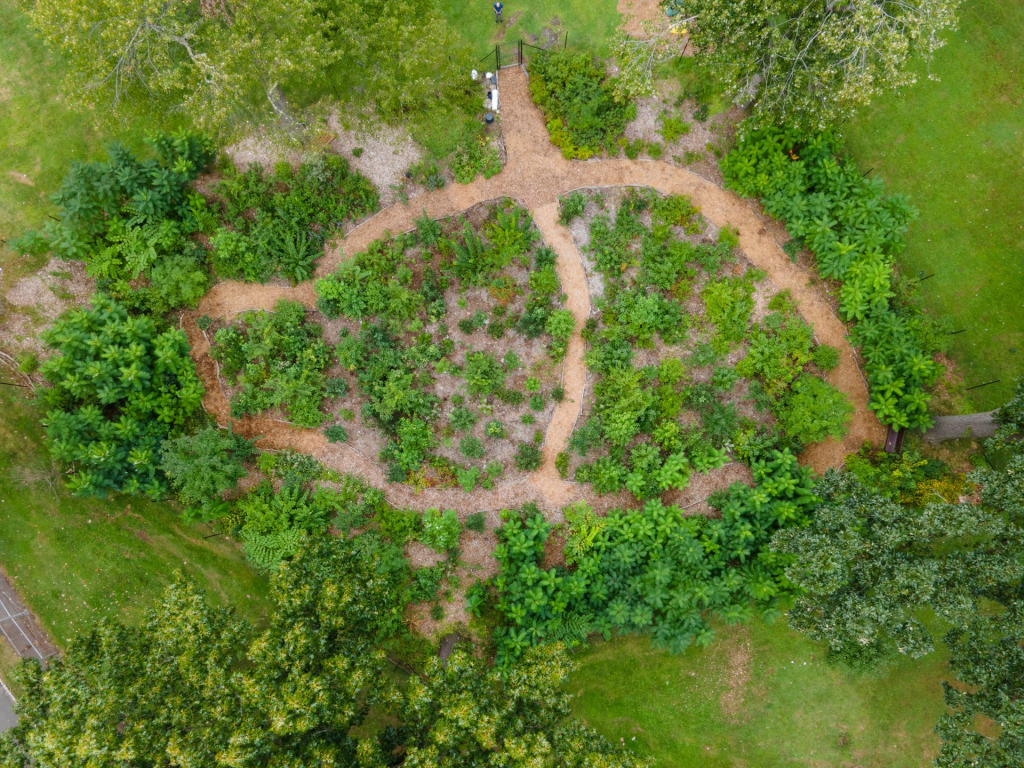
Ultimately, the goal is not to return entirely to the way our ancestors lived, but to recognize what they understood about self-reliance and community. We can still enjoy grocery stores, technology, and modern conveniences while learning how to produce something for ourselves. The real challenge is making that first step feel less like a chore and more like an opportunity to reconnect with our neighbors, our environment, and the fundamentals that sustain us.
Check out this story & more on the Community Blog! Get notified for every new post. Subscribe Today!
We are Bringing the Rewild Revolution to New Jersey. Get notified of every new post. Subscribe Today!
Join the Rewild NJ Community.
Learn More & Connect
Email: rewildnjcc@gmail.com
Follow us on social media @rewildnjcc.
Support
Rewild New Jersey Community Cooperative (RNJCC) is completely volunteer based and self-funded. Contribute to support our projects and development!
Rewild New Jersey Community Cooperative (RNJCC) is currently pending nonprofit organization status. Contributions are not tax deductible.

