By: Vincent Palmieri, Advisory Board Member
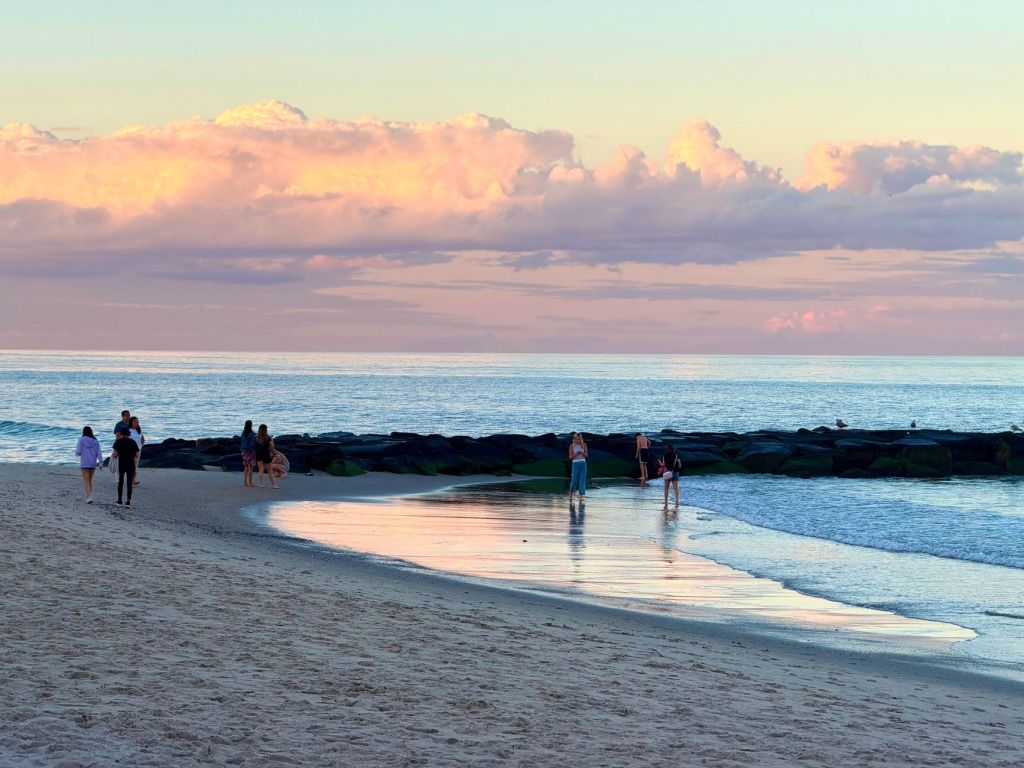
Summer is coming to a close, and with local Summer now upon us, much of what surrounds us does as well. The roads seem to have different patterns. Leaves begin to bring out their vibrant colors, and things just seem to start feeling a little bit more “homie”. As days shorten, I started to reflect on this Summer, and some of the natural world New Jersey has to offer to its residents and tourist alike.
Growing up around the Jersey Shore (Brick Township) many natural features offered along this stretch of Atlantic Ocean are nothing short of divine to say the least. Most notably, Island Beach State Park in Ocean County has won numerous awards over the years. In 2018, Island Beach State Park was nationally recognized as the best State Park in the US. Still today, that claim can be justified by its visitors, as truly a “gem” and lush with coastal ecological significance. Nearly 20 miles of beaches along the Barnegat Bay and the Atlantic Ocean and more than 3,000 acres of protected beaches make this not only an environmental landmark, but one of the Northeast’s remaining undeveloped barrier island beaches.
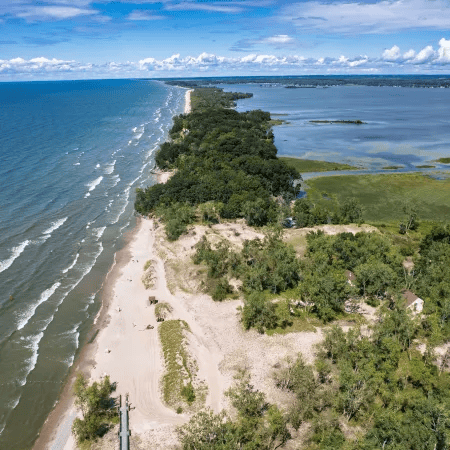
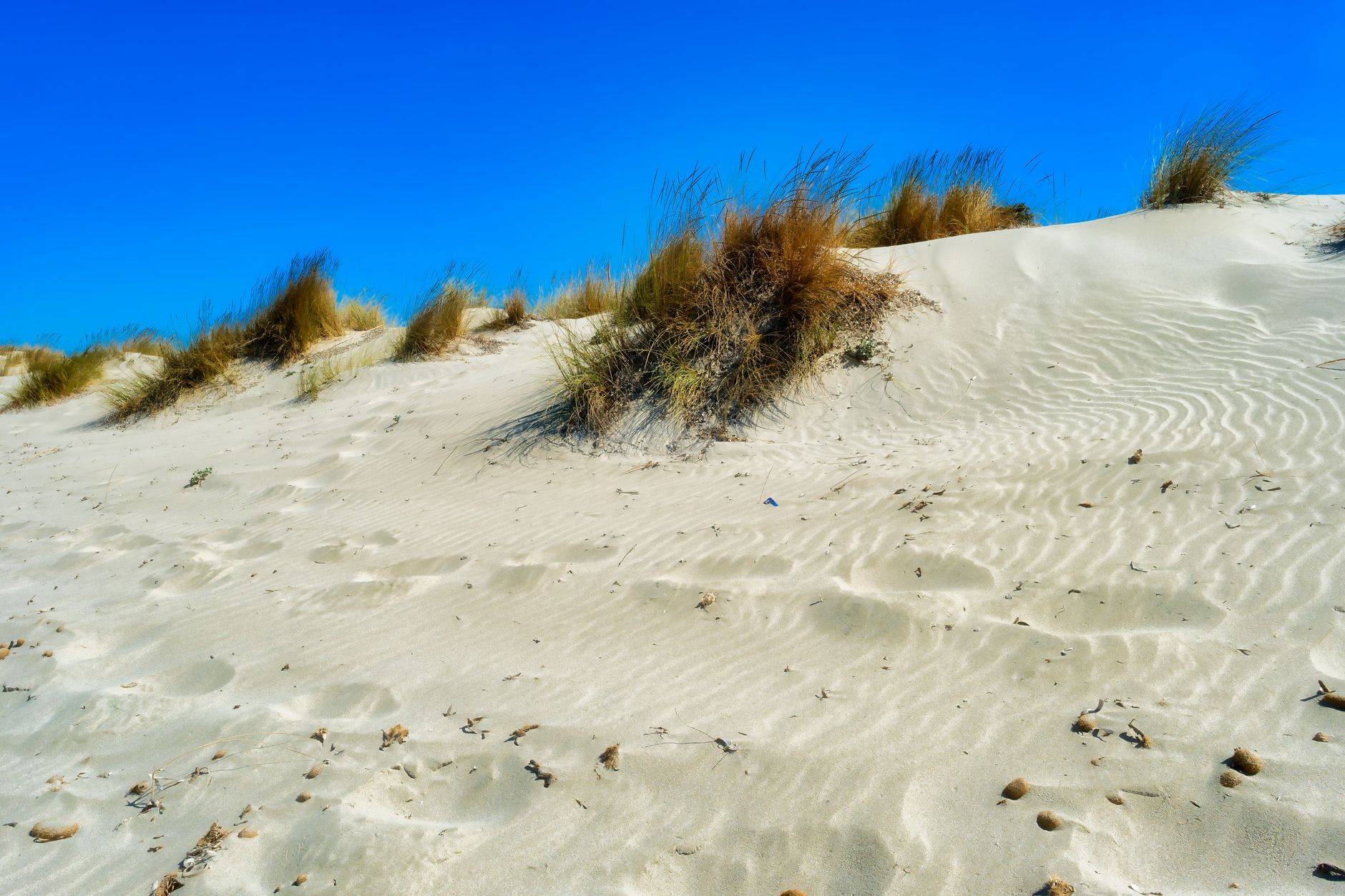
As a major ecological marvel to New Jerseyans, this beach hosts one of the most important osprey habitats across the State of New Jersey and home to 400 identified plant species. Compared to many local beaches, the dunes at Island Beach State Park always interested me. Many local beaches are restored with dune grass through prescriptive planting projects. Whereas Island Beach State Parks natural dune features served as key role in Superstorm Sandy and coastal resiliency. Although much of it was diminished due to Superstorm Sandy, who knows how much worse damage could’ve been without it.
Over the years, many great dune restoration projects have been accomplished by various government entities such as NJDEP, NJ Fish & Wildlife, Army Corps of Engineers. But still – I begin to think, why can’t we rewild more of our dunes? Leaders and from respected non-profit environmental advocacy groups like the American Littoral Society and Surfrider Foundation have been completing extensive research and implementation in shore communities. These projects have made serious strides throughout the State and are honorable when it comes to coastal habitat restoration.
Yet, with all that said, I began to brainstorm. We could and can certainly bring local rewilding to our New Jersey beaches. So, I’m guessing you’re probably thinking – what is my “sales pitch”, right? An official coastal nursery for restoration of dunes in NJ located at Island Beach State Park. Otherwise meaning, a coastal plant nursery where only local municipalities will have access to organize habitat restoration projects on public beaches to diversify and fortify dunes. Instead of monoculture dune planting projects, how about reintroducing preexisting ecology to our beaches.
So, let’s be realistic. Being it is a State Park; there are Green Acres regulations that come into effect when agriculture is involved on State Parkland. Let’s think about the big picture here.
- If it were to be possible that a small portion of Island Beach State Park was treated as a nursery, wouldn’t it benefit the public?
- Would it take away from the overall experience of visiting this State Park?
- Where else would you be able to put a large-scale nursery to accomplish this?
- How much will it cost to start this program, and who will start it?
- What native species have grown?
- How many communities will be interested in and take advantage of this service?
- What are the drawbacks of Rewilding now dune grass-filled beaches?
These are all questions that could be fleshed out.
Communities far and wide could benefit from this. From Sandy Hook to Island Beach State Park. Barnegat Light House, beyond the beaches of Atlantic City. To the end of Cape May, and even communities along Delaware Bay.
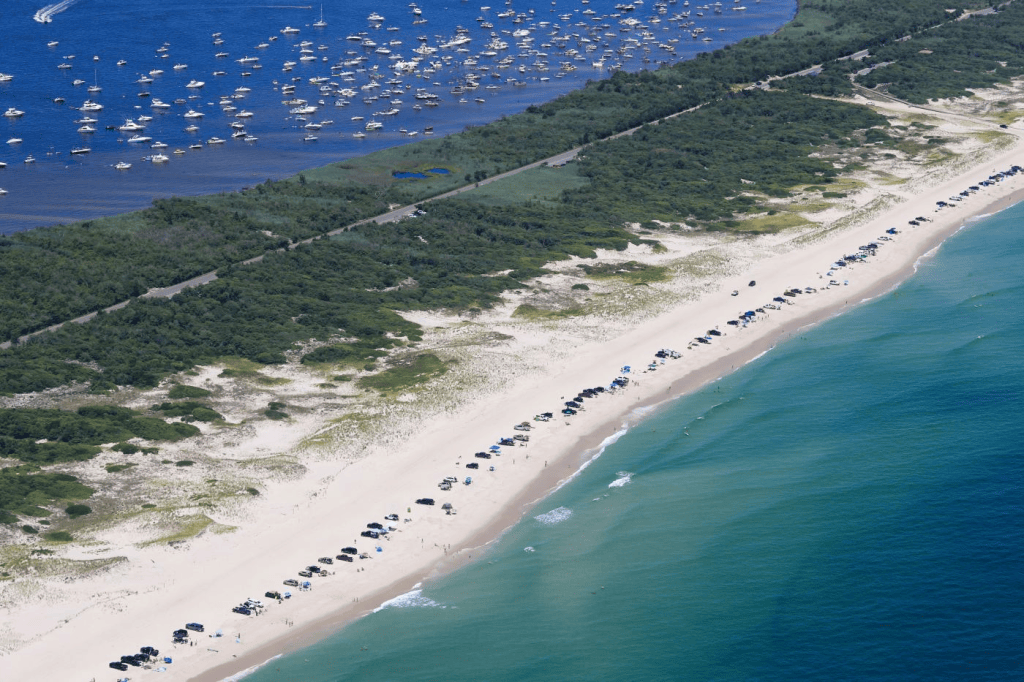
The scale of this idea is what makes it both challenging and exciting. New Jersey has an extensive coastline, and every community has its own relationship with the beach, dunes, flooding, tourism, and coastal ecosystems. A centralized nursery could potentially provide the native plant material needed to help communities restore and strengthen these environments while maintaining the character of each individual shoreline. Imagine a place where native coastal plants grown in one location could eventually find their way into restoration projects throughout the Jersey Shore. This idea introduces the concept where there could be an established source for native species, research, education, and collaboration. Island Beach State Park could become more than a place where we observe what a healthy coastal ecosystem looks like; it could also become a place that helps us reproduce and restore those conditions elsewhere.
This would not mean replacing every existing dune with a new landscape. It would mean asking a larger question about how we manage our coast moving forward. Where appropriate, could we incorporate greater biodiversity into our dunes? Could we restore areas that have been degraded? Could we use native species that provide ecological benefits while still protecting communities from coastal hazards? And perhaps most importantly, could we use Island Beach State Park as a living example of what is possible?
There are certainly challenges, regulations, costs, and unanswered questions that would need to be addressed before an idea like this could become reality. But that is where planning comes into the picture. Good planning is often about asking questions before we know all the answers. Maybe the “coastal nursery” isn’t the final answer. Maybe it is simply the beginning of a larger conversation about how New Jersey can rewild, restore, and protect its coastal landscapes.
Check out this story & more on the Community Blog! Get notified for every new post. Subscribe Today!
We are Bringing the Rewild Revolution to New Jersey. Get notified of every new post. Subscribe Today!
Join the Rewild NJ Community.
Learn More & Connect
Email: rewildnjcc@gmail.com
Follow us on social media @rewildnjcc.
Support
Rewild New Jersey Community Cooperative (RNJCC) is completely volunteer based and self-funded. Contribute to support our projects and development!
Rewild New Jersey Community Cooperative (RNJCC) is currently pending nonprofit organization status. Contributions are not tax deductible.
 Rewild New Jersey Community Cooperative (RNJCC)