By: Arthur Veilleux, Rewild NJ Movement Member
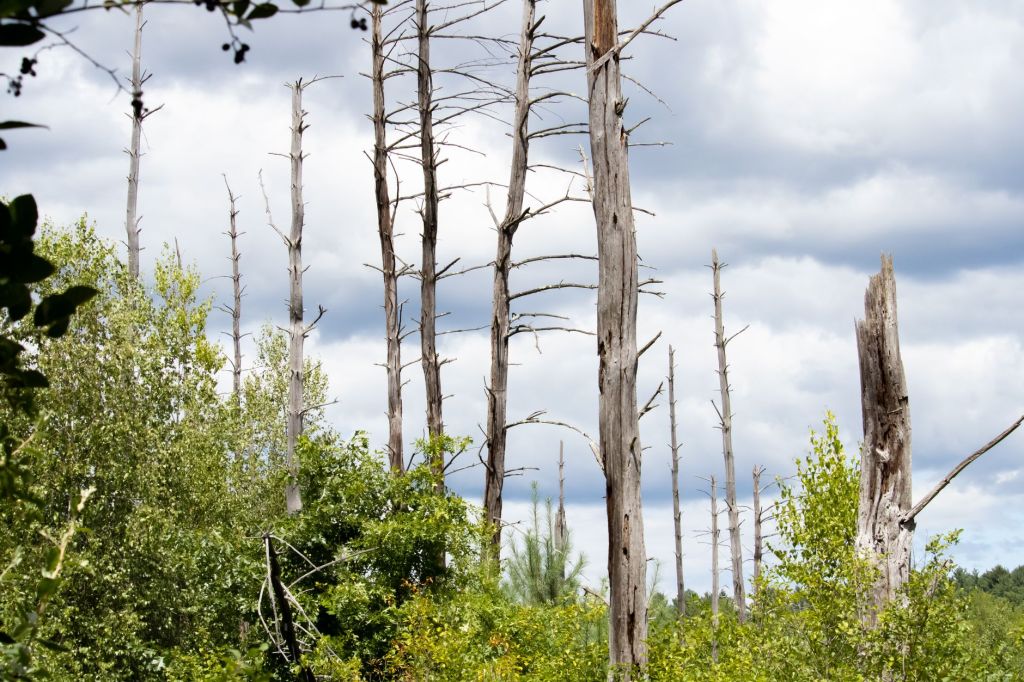
A recent article in Science Advances, “Legacies of foundation species shape life after death”, explored an interesting ecological question: What happens after the dominant organisms in an ecosystem die? The researchers examined forests, grasslands, coral reefs, oyster reefs, marshes, and mangrove systems. Their conclusion was surprisingly simple. Death is not the end. The remains of dominant species continue to shape what comes next by either facilitating or inhibiting future growth.
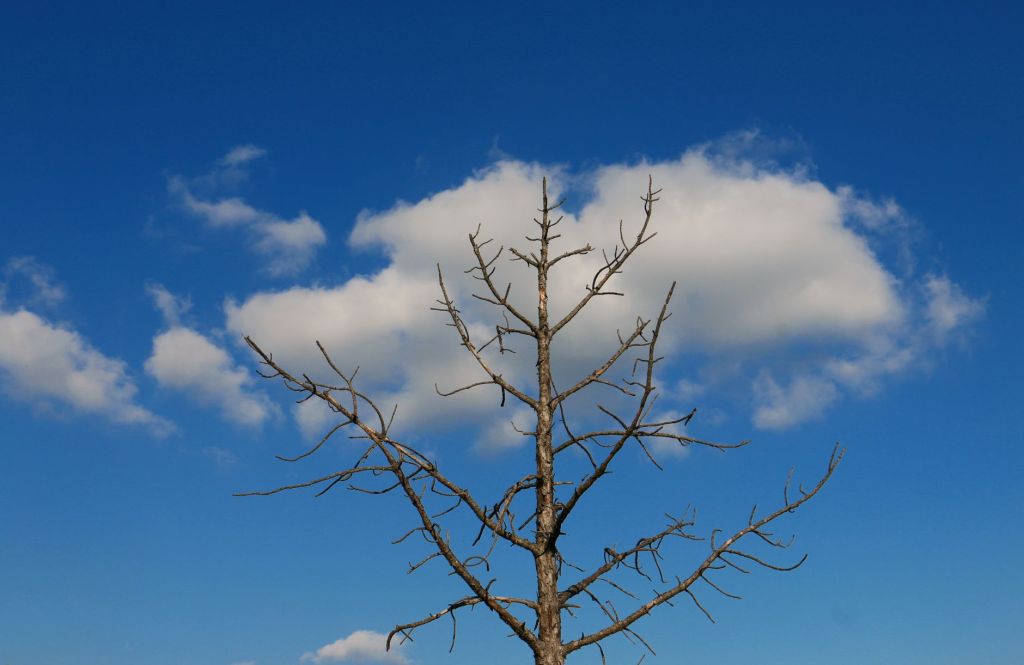
Dead trees become habitat and nutrient sources. Oyster shells provide a surface on which young oysters can settle. In prairies, the accumulation of unburned litter limited regrowth from belowground compared to burned sites. In salt marshes, disturbance by floating mats of detrital marsh plants (wrack) sharply reduced live marsh grass. In every case, the remains of the old system influence the emergence of the new.
As I read the article, I found myself thinking not only about ecosystems but also about our society.
People today often sense that many of the institutions, assumptions, and structures that define modern Western life are weakening and breaking down. Trust in government, confidence in public institutions, advancing technologies, faith in expertise, and even shared cultural beliefs seem less stable than they once did. Whether one sees this as decline, transformation, or something else entirely, the ecological lesson remains relevant.
When ecosystems lose their dominant species, they do not begin again on a blank slate. They inherit the legacies of what came before. The same is true of human communities.
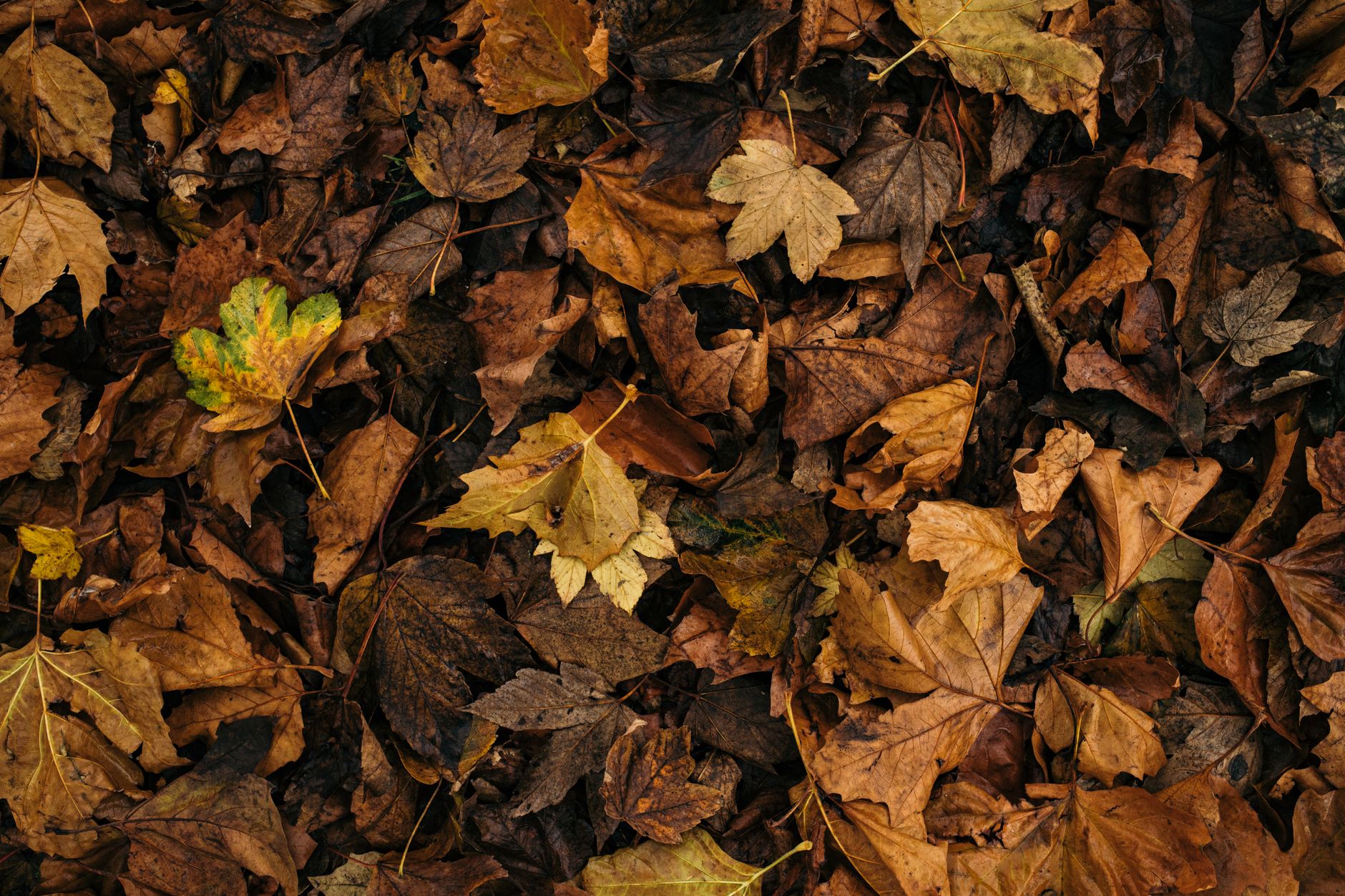
As larger structures weaken and begin to break down, they become the “compost” from which the future grows. The habits, relationships, traditions, local knowledge, and civic organizations that remain are the legacies that either facilitate renewal or inhibit it. The outcome depends on what is retained, what is transformed, and what is allowed to further decompose.
For those of us involved in personal, community and environmental rewilding, this offers an important perspective. Rewilding is not simply about restoring native practices and landscapes. It is also about restoring the human capacity for stewardship, cooperation, and connection to place.
Nature teaches us that resilience is not the absence of decay. Resilience emerges when decay is incorporated into a cycle of renewal.
Perhaps the challenge before us is not to try to prevent painful societal changes, but to become skilled composters of modernity, preserving what nourishes life, allowing what no longer serves to break down, and creating fertile ground for what comes next.
Check out this story & more on the Community Blog! Get notified for every new post. Subscribe Today!
We are Bringing the Rewild Revolution to New Jersey. Get notified of every new post. Subscribe Today!
Join the Rewild NJ Community.
Learn More & Connect
Email: rewildnjcc@gmail.com
Follow us on social media @rewildnjcc.
Support
Rewild New Jersey Community Cooperative (RNJCC) is completely volunteer based and self-funded. Contribute to support our projects and development!
Rewild New Jersey Community Cooperative (RNJCC) is currently pending nonprofit organization status. Contributions are not tax deductible.

