By: Vincent Palmieri, Advisory Board Member
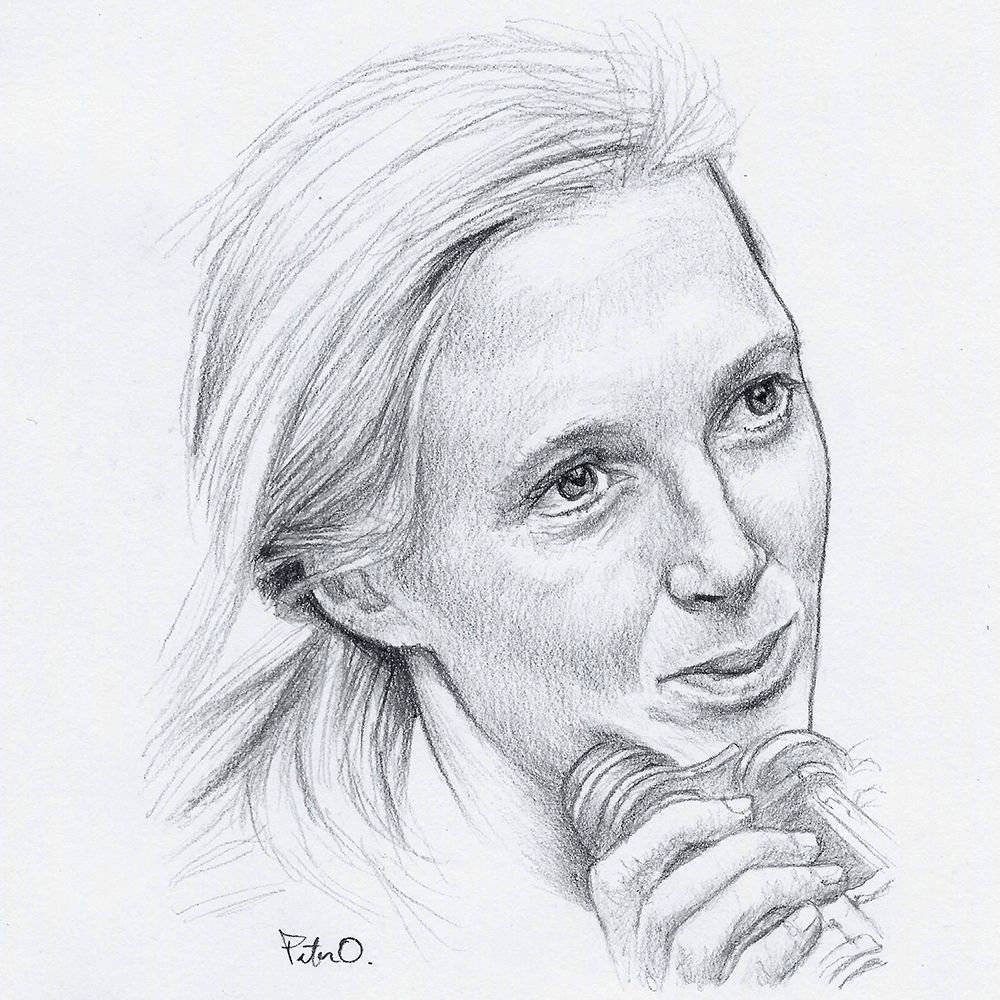
Jane Goodall is widely recognized as a pioneer and the godmother of modern environmentalism in American culture and beyond. Nearly eight months after her passing on October 1, 2025, at the age of 91, much has already changed in the societal trajectory before us. Her influential publications speak for themselves, inspiring countless success stories in wildlife conservation, environmental stewardship, and local ecology.
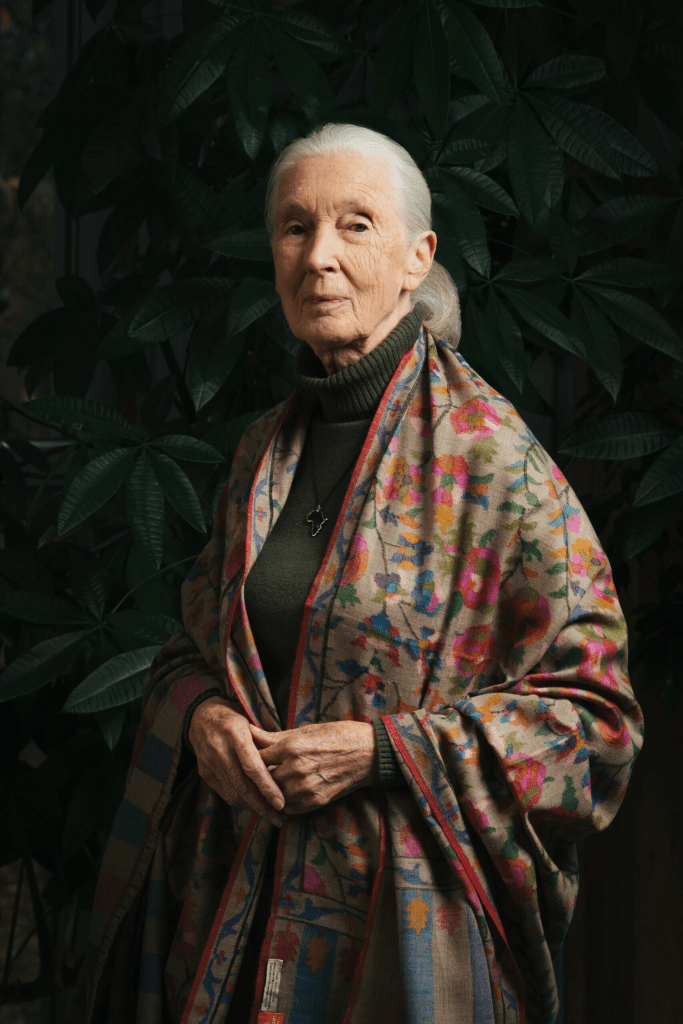
It is easy to argue that she influenced multiple generations and secured her place on the “Mount Rushmore of American environmentalists.” Her life’s work helped cultivate the environmental consciousness that many members of Generation X, Millennials, and Generation Z possess today. While younger generations have become increasingly aware of the dangers and consequences of poor environmental regulation—or the absence of it—they have also become more disconnected from nature than ever before.
We are entering a new age of technology, a path we have been traveling for more than 150 years since the Industrial Revolution. Yet, because of increasingly niche and isolated media interests, we have entered an entirely new era. Younger generations are rediscovering the desire to become more grounded by reconnecting with the natural world. The ultimate question they will soon ask is simple: “How do we do it?”
First, we need to reconsider the original ideology of “Think Global, Act Local.” While it achieved many successes, and those accomplishments should be acknowledged, it is becoming increasingly difficult to apply in today’s climate of government, politics, and concentrated power. This does not mean we should give up. Rather, it means we are losing agency. The only way to regain that agency is through strong leadership and collective action. We are losing influence over environmental decisions at the global level. Therefore, we must think locally and act locally because that is where our greatest impact can be made. As large corporations and political interests shift positions with increasing frequency, more Americans have begun to recognize how this growing disconnection from nature has become a force that feels nearly unstoppable. Fortunately, society appears to be reaching a turning point. We are beginning to rediscover the value of authentic, living experiences and organic connections in nearly every aspect of life.
Consider a few examples:
• Digital music versus live bands performing with instruments
• Streaming services versus owning physical media
• Social media versus neighborhood communities
• Industrial agriculture versus local farms and gardening
• Artificial intelligence versus human craftsmanship
• Remote interaction versus face-to-face relationships
• Algorithmic recommendations versus personal discovery
• Gig work versus organized labor
• Corporate consolidation versus community ownership
• Screen time versus time spent outdoors
• Disposable products versus repair and reuse

The highly synthetic world we inhabit today is not the utopia many imagined in 1999. In many ways, it feels closer to a dystopia. Everywhere we look, there are concerns about societal control, disconnection, and declining quality of life. Yet there is still reason for hope.
Jane Goodall transformed environmentalism and the way we approach our relationship with nature. In 2026, we must revisit her ideas, learn from the successes they produced, and adapt them to meet the challenges of our time. Rewilding is more than a conservation strategy—it is a culture. It means reconnecting with nature on every level and finding ways to become grounded in the places we live. Across the political spectrum, Americans are searching for alternatives to centralized systems and seeking greater control over their own lives. Ideas once dismissed as folklore or old wives’ tales are increasingly being revisited as people search for what they believe is missing from modern life. We do not need governments to dictate every narrative. However, while reflecting on Jane Goodall’s body of work and extraordinary influence, we must also critically examine where we are headed and what direction our society is taking.
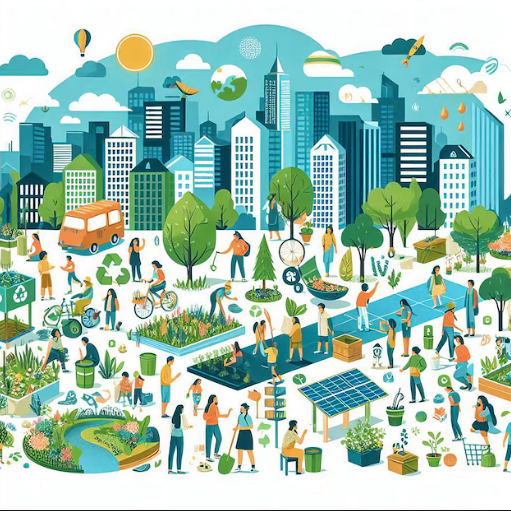
What comes next for American culture? Ironically, the answer may lie in localism. As a society, we must recognize our loss of agency and work to regain it by thinking locally and acting locally. Many of us want to “change the world and make it a better place,” as artists famously sang in the 1985 hit We Are the World. Meaningful change is possible, but it begins closer to home. We must pay greater attention to our local governments, institutions, and communities, and seek opportunities to influence positive change where we live.
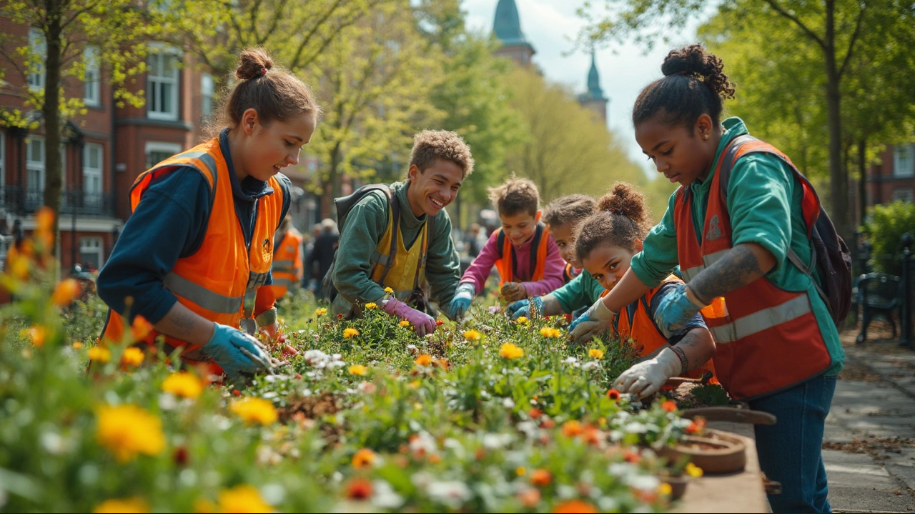
This is not simply about planting native species or installing a rain barrel, although those actions certainly have value. It is about fostering a culture of rewilding. We need to rethink our relationship with the natural environment and how we engage with it. Whether through stewardship, conservation, local agriculture, outdoor recreation, or community involvement, reconnecting with nature can have profound benefits for both individuals and society.
Jane Goodall taught generations to care about the natural world. Her greatest legacy may not be the study of chimpanzees alone, but the belief that individual action matters. In an era when global institutions often feel increasingly distant from everyday citizens, the next phase of environmentalism may be rooted not in thinking globally and acting locally, but in thinking locally and acting locally. The future of conservation depends on rebuilding a culture of stewardship in the places where people live, work, and raise their families.
Check out this story & more on the Community Blog! Get notified for every new post. Subscribe Today!
We are Bringing the Rewild Revolution to New Jersey. Get notified of every new post. Subscribe Today!
Join the Rewild NJ Community.
Learn More & Connect
Email: rewildnjcc@gmail.com
Follow us on social media @rewildnjcc.
Support
Rewild New Jersey Community Cooperative (RNJCC) is completely volunteer based and self-funded. Contribute to support our projects and development!
Rewild New Jersey Community Cooperative (RNJCC) is currently pending nonprofit organization status. Contributions are not tax deductible.

