By: Derek Polzer, Rewild NJ Movement Member
–Economics (archaic): of or relating to a household or its management.
–Household: a social unit composed of those living in the same dwelling.
–The Wild: a place that is self-organizing, self-disciplining, & a self-maintaining system of life that is inherently orderly & free. (Gary Snyder)
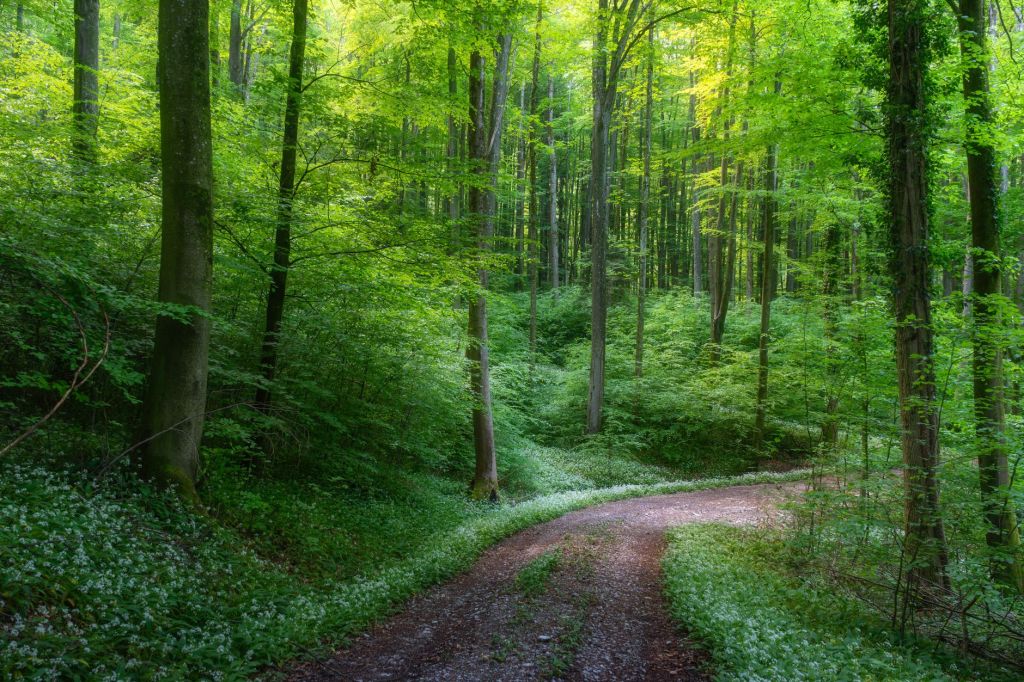
Spring has arrived, & the plants & grasses are beginning to refresh the brown landscape. A Cottontail Rabbit feasts well on this green bounty & at a silent distance a mother Bobcat eyes the rabbit, it’s been a long winter &
she has newborns to feed. Nearby, Buzzards have circled around the carcass of a deer recently exposed from beneath the melting snow; they & other scavengers will eat well.
With Winter’s end many of the inhabitants who call this watershed home are beginning to emerge & become active, many with young ones & for whom food must be provided; the needs of these households must be met. It’s an ancient ritual of predator-prey. It’s also a reciprocal relationship, this is how the balance is maintained.
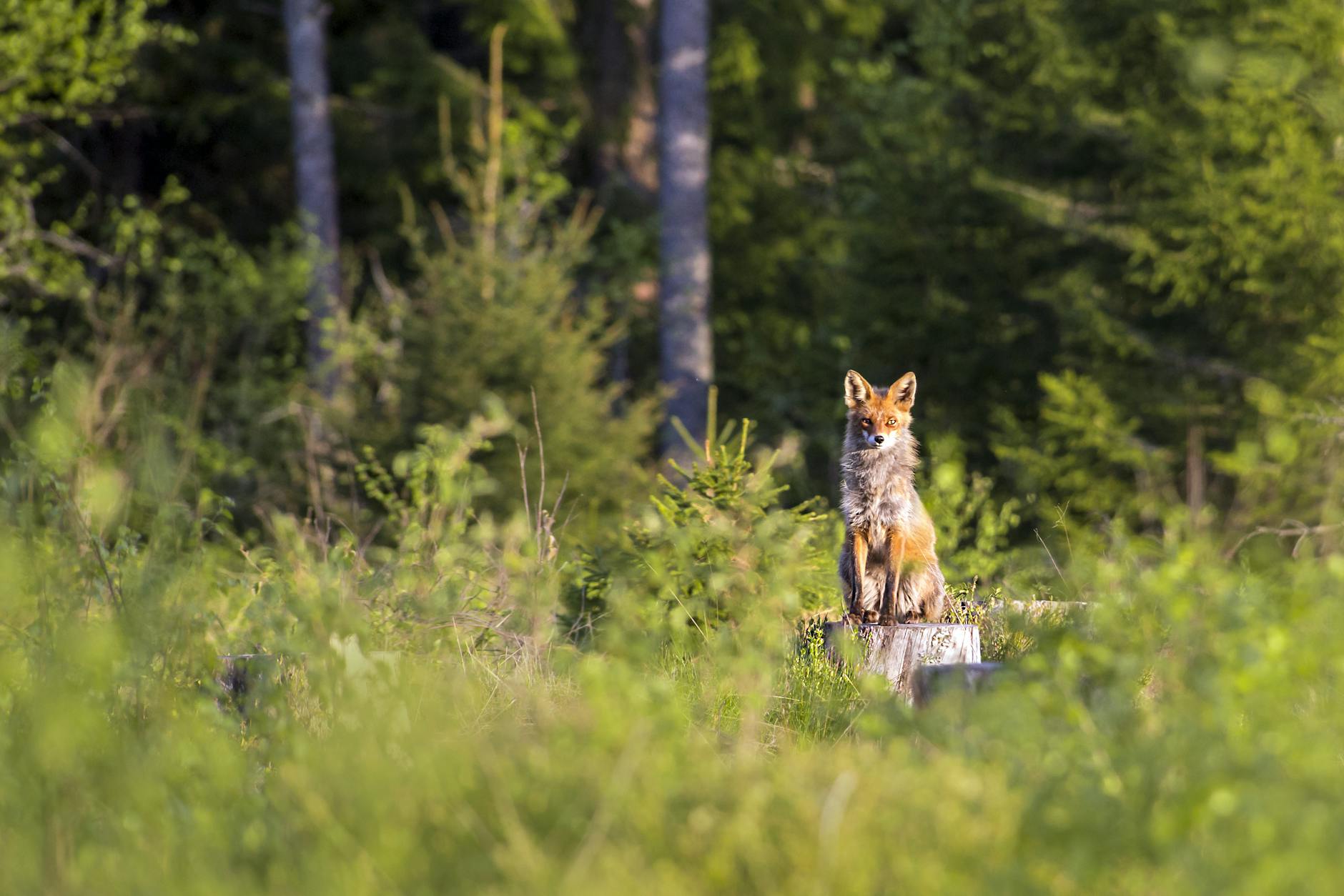
A watershed is a dwelling place where all is shared, where all relationships are woven together by the common thread of interdependence. Plants feed
the Cottontail Rabbit who will become nourishment for Bobcat & her young whose waste will return nutrients back to the soil for the seasonal plants & grasses. It is a circular economy when left alone, it is self-maintaining & self-balancing, with each inhabitant provided for & each inhabitant in one way or another providing for the other.
There is an inherent perfection in this economy that is broken only by human interference & manipulation through such practices as the domestication of once wild animals & plant life to meet human need, making them dependent unable to go about their lives guided by the orderly ebb & flow that a watershed provides.
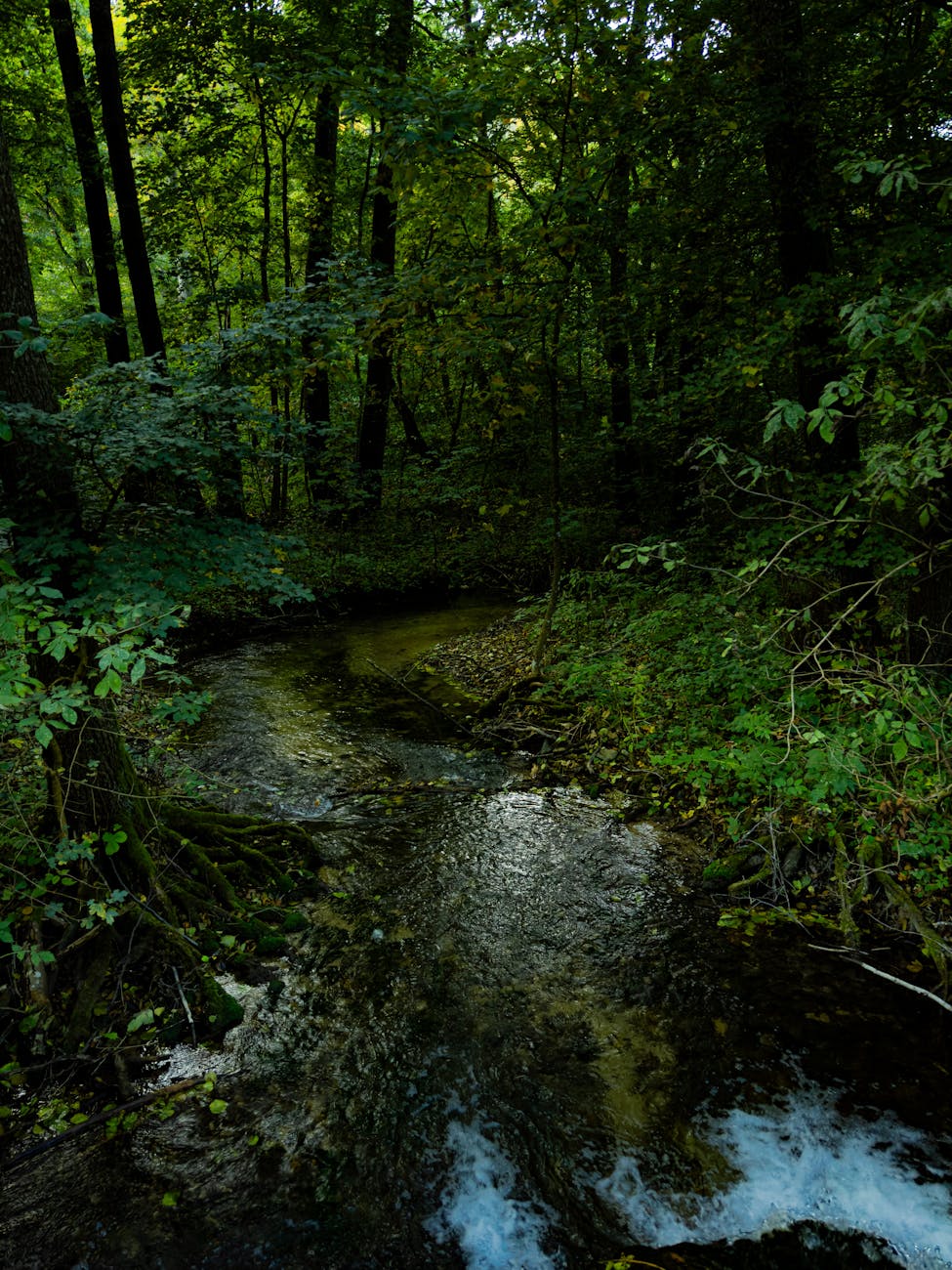
They are no longer wild! But has it ever been truly different? There are still & have been human societies & cultures that have lived much closer to a genuinely balanced & sustainable lifestyles for generations over many millennia, but they also manipulated this economy to meet their needs often to the point of extinction of other species such as the large mammals of the latter part of the Ice Age. Sadly, it’s what we have
tended to do for survival. We were once prey, but we found ways to protect ourselves. We made weapons, we learned to build fires at the mouth of the caves to keep us safe & keep the predators away. We’ve gone on to subdue the savage wilderness & all its inhabitants & learned how to dominate & manipulate them for our own benefit. Is it possible for us to do otherwise, can we as a species live in a way that considers the needs of the other species that call this & other watersheds home? We will need to create a new understanding of what an economy of place is.
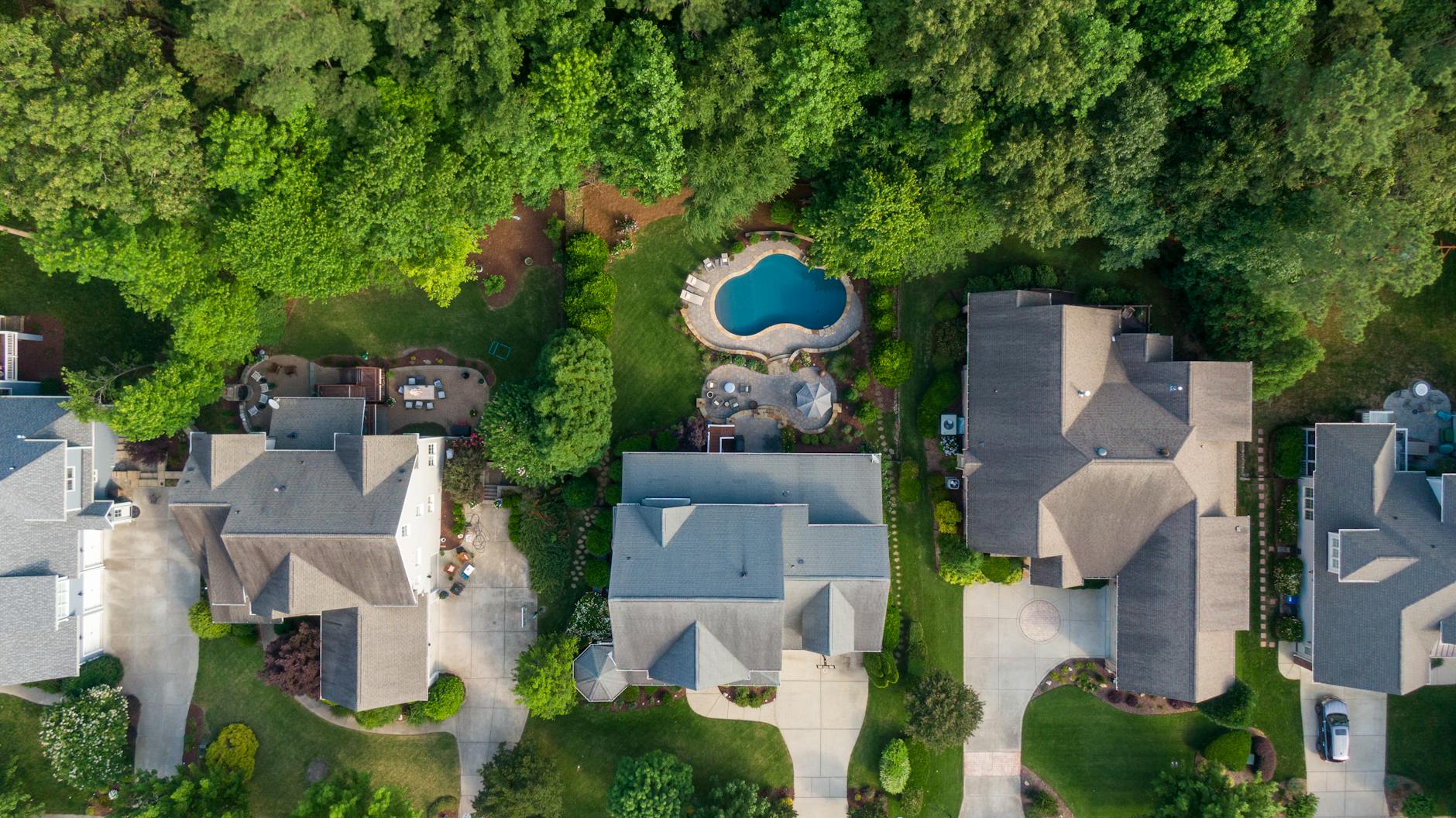
Specific questions need to be asked, hard questions, questions that confront & challenge both the social & economic structure that has created our present situation. Is our present belief in technological solutions truly the direction we need to be going? Will social collectives such as the post- WWII suburbs or densely populated cities continue to be how we organize our communities? The answers to these questions & many more will have to be addressed, but first we need to accept the situation at hand, take responsibility for it, & stop using apocalyptic language when addressing the realities of the climate situation. The hard reality is that this crisis that has taken over 160 years to create as the result of unbridled industrialization my take as long if not longer to rectify.
But where & when do we start? We start right now, right here where our feet are planted, in the watershed where you live. We need to say out loud, “I’m staying!” & making a commitment to this place by calling it home! It’s a place to start. It will take time, a lot of time to change a history of environmental exploitation, destruction, & extinction due to unfettered “progress”. All it takes is for one person committing to a place & begin to do the work necessary to begin to shift the prevailing paradigm. Do this & things will begin to slowly change, & I believe others will see your example
& follow your lead. I have faith in this, I have faith in you!
“Stand up for what you stand on!”
…paddling ever onward! Derek Polzer
Check out this story & more on the Community Blog! Get notified for every new post. Subscribe Today!
We are Bringing the Rewild Revolution to New Jersey. Get notified of every new post. Subscribe Today!
Join the Rewild NJ Community.
Learn More & Connect
Email: rewildnjcc@gmail.com
Follow us on social media @rewildnjcc.
Support
Rewild New Jersey Community Cooperative (RNJCC) is completely volunteer based and self-funded. Contribute to support our projects and development!
Rewild New Jersey Community Cooperative (RNJCC) is currently pending nonprofit organization status. Contributions are not tax deductible.

