By: Alyssa DeStefano, Social Media Intern
As the unpredictable swings of late winter begin to settle, we transition into the beauty of
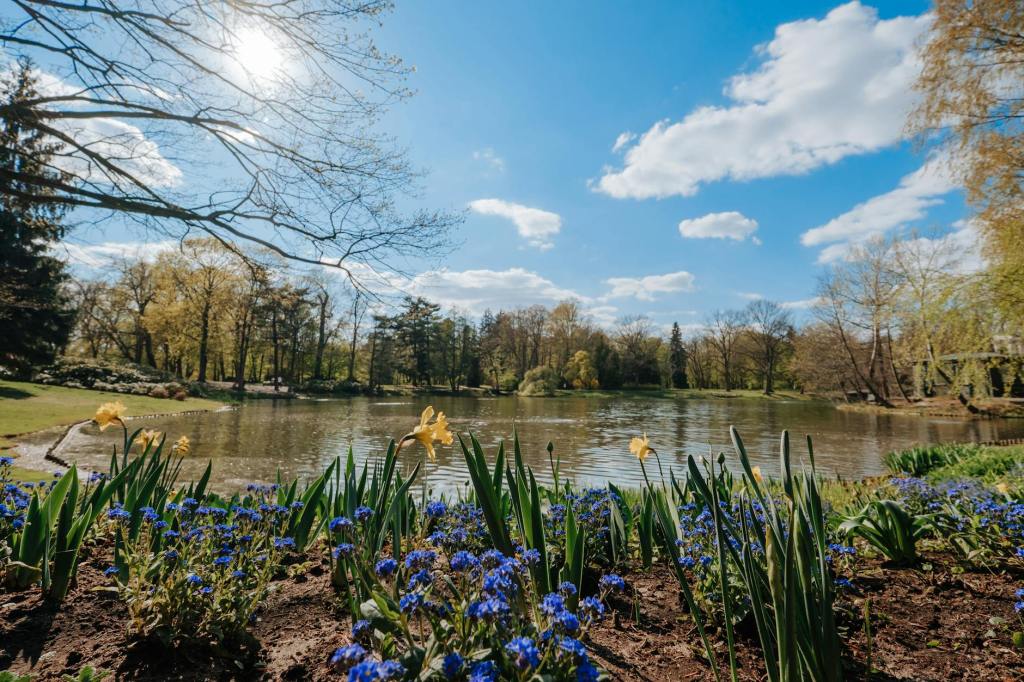
spring in New Jersey, where we have the privilege of witnessing the powerful occurrences that begin to unfold. If you look closely, life begins to return in a variety of meaningful ways. The dull yellow grass begins to turn green, the amount of time during our day seems to increase, and millions of different species whether plant or animal, return home. Spring is not just a change in season but the reawakening of nature and renewed relationships between soil and seed, pollinator and plant, bird and habitat, and, last but not least, humans and nature. In the context of rewilding,
these returning signs of life are more than just beautiful; they are essential.
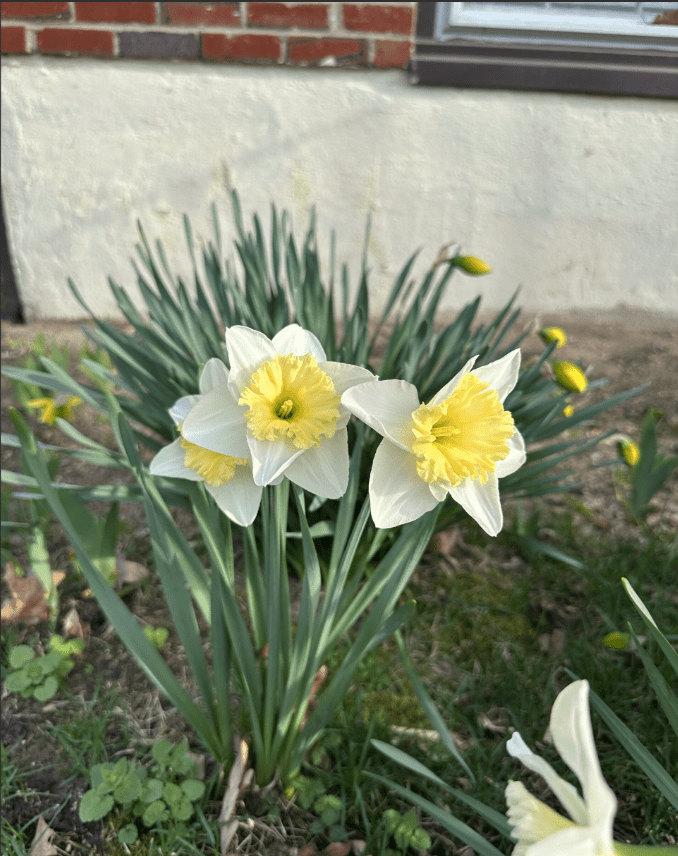
Before the trees fully leaf out, native wildflowers, often called spring ephemerals, take advantage of this brief window of sunlight. You may notice a variety of flowers such as daffodils, tulips, hyacinths and many more. Although the presence of these species is fleeting
and they will unfortunately disappear again within a few weeks, storing energy underground until next spring, their short lives play an extremely critical role. They serve as an early food source for pollinators emerging from winter dormancy, and without them, many insects would struggle to survive the transition into warmer months.
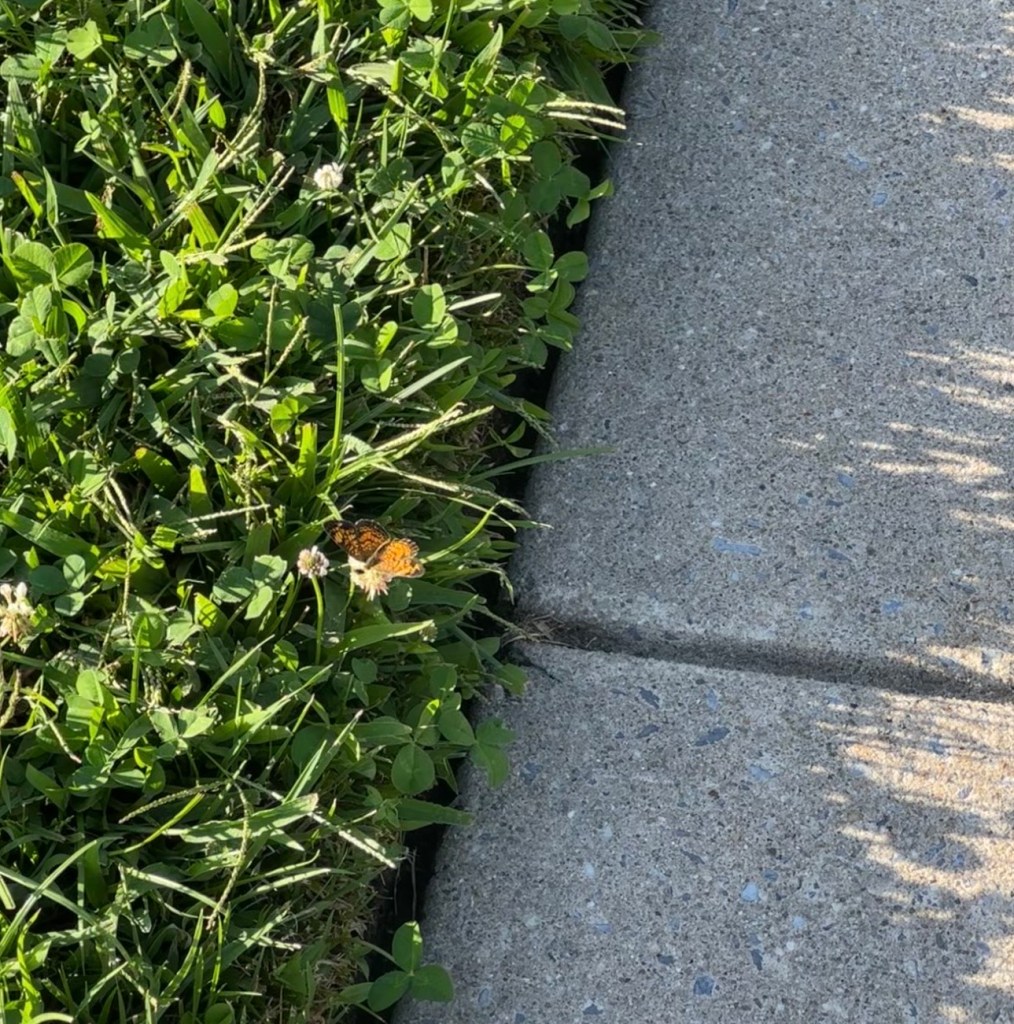
As temperatures rise, pollinators such as bees and butterflies also begin to emerge. Native
pollinators are uniquely adapted to local plants and play a crucial role in maintaining biodiversity and sustaining entire ecosystems. Pollinators are also responsible for supporting not only wild plant communities but the crops and food systems that humans and other mammals depend on.
Similarly, migratory birds begin making their way back to New Jersey, filling the days with sound and movement. These returning birds also play vital ecological roles such as controlling insect populations, dispersing seeds, and contributing to the balance of local ecosystems.
Overall, each of these returning species is a sign that the land is coming back to life. When they thrive, the landscape that surrounds them becomes more resilient. This also applies in the context of humans, in turn, offering us a visible reminder of the existence of
interconnectedness. It shows us that ecosystems are not static; they, like us, are living and consist of dynamic relationships that require both balance and care.
Rewilding invites us to move beyond observation into action and participation. Our responsibility as humans within the ecosystem can be brought to life through the recognition of the species that surround us and the discovery of meaningful ways to protect the life we share our environment with. As native
wildflowers bloom, pollinators return, and birds fill the air with song, we are reminded that renewal is always possible.
Check out this story & more on the Community Blog! Get notified for every new post. Subscribe Today!
We are Preserving the Wild Spirit of New Jersey. Get notified of every new post. Subscribe Today!
Help to Rewild NJ. Join the Rewild NJ Movement today.
Learn More & Connect
Email: rewildnjcc@gmail.com
Follow us on social media @rewildnjcc.
Donate
Rewild New Jersey Community Cooperative (RNJCC) is completely volunteer based and self-funded. Please contribute funds to support our launch, development, and overhead costs!
 Rewild New Jersey Community Cooperative (RNJCC)