By: Anna Bergen, Outreach & Engagement Intern
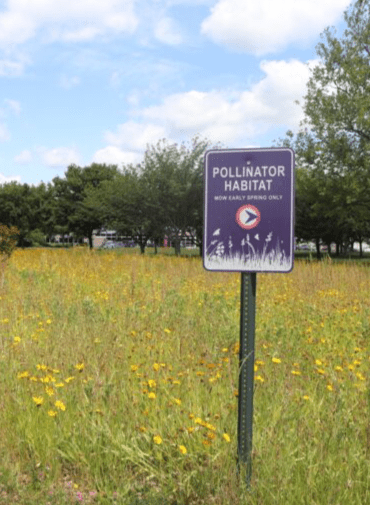
Imagine you are driving down the highway surrounded not by concrete buildings and asphalt, but by beautiful native floral habitats. This vision is becoming a reality in New Jersey as organizations such as the South Jersey Transportation Authority have begun to plant pollinator gardens along major roadways. The SJTA is responsible for the Atlantic City Expressway, and they planted over 35 acres of native wildflowers along the highway. While the scenery is a feature to behold, it also plays a significant role in creating new spaces for pollinator species. These pollinator gardens are supporting species like bees and butterflies, which are on the decline due to loss of habitat, pesticide use, and climate change.
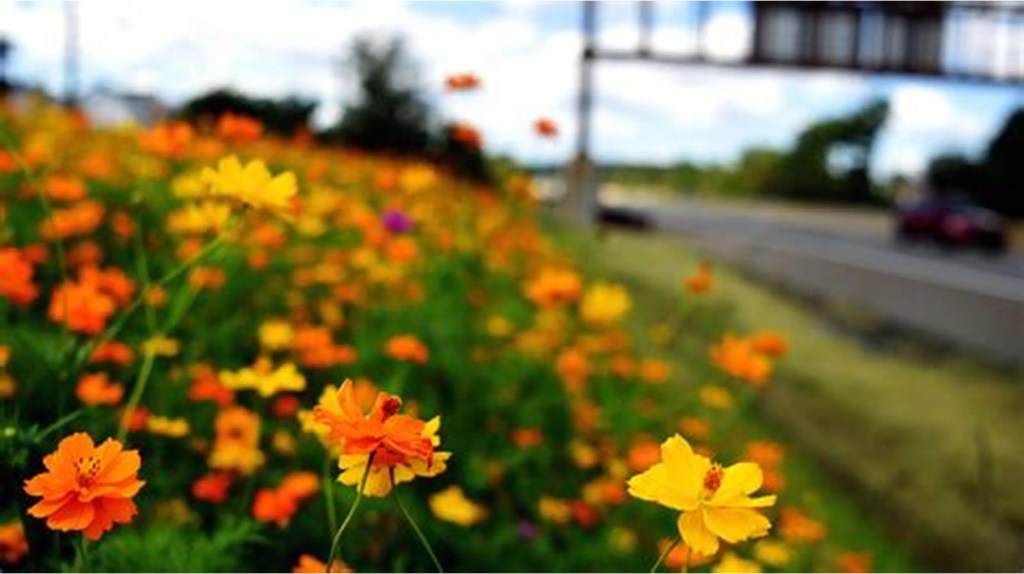
Pollinator gardens are green spaces designed using native plants that draw in and support a variety of pollinators like bees, butterflies, and hummingbirds. These gardens are crucial for the survival of these species, acting as an essential source of food, shelter, and mating habitat. Through the use of native plant species, the gardens are also promoting biodiversity and reclamation of the land previously tattered with concrete and barren land. Native plants such as Goldenrod, Milkweed, Wild Bergamot, and Purple Coneflower are all examples of pollinator-friendly species.
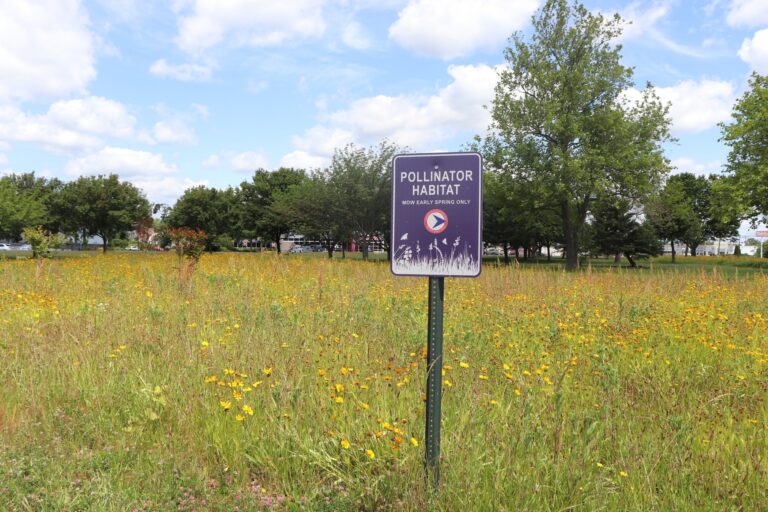
Not only do pollinator gardens provide for pollinator species, but they also provide many other benefits. The use of native plant species improves soil health, water retention, and erosion. Native plants develop a complex root system beneath the soil, which promotes the nutrient cycle and prevents sediment loss more effectively than ornamentals. Those roots also break up the soil, allowing water to infiltrate rather than become runoff. The stormwater that turns into runoff can be absorbed by these beautiful plants, helping to prevent highway flooding and filter out harmful pollutants before they enter our waterways. Other benefits include reduced mowing costs and carbon emissions.
As New Jersey continues to pursue pollinator gardens along its highways, the State will become known for its scenic roadside landscape that dually acts as a vibrant ecosystem. This is a big step for large scale rewilding efforts in the Garden State.
Check out this story & more on the Community Blog! Get notified for every new post. Subscribe Today!
We are Bringing Rewilding to New Jersey. Get notified of every new post. Subscribe Today!
Help to Rewild NJ. Join the Rewild NJ Movement today.
Learn More & Connect
Email: rewildnjcc@gmail.com
Follow us on social media @rewildnjcc.
Donate
Rewild New Jersey Community Cooperative (RNJCC) is completely volunteer based and self-funded. Please contribute funds to support our launch, development, and overhead costs!
 Rewild New Jersey Community Cooperative (RNJCC)